

Industry News
Mini Excavator Uses | How To Choose The Right Model For Your Work
Aug
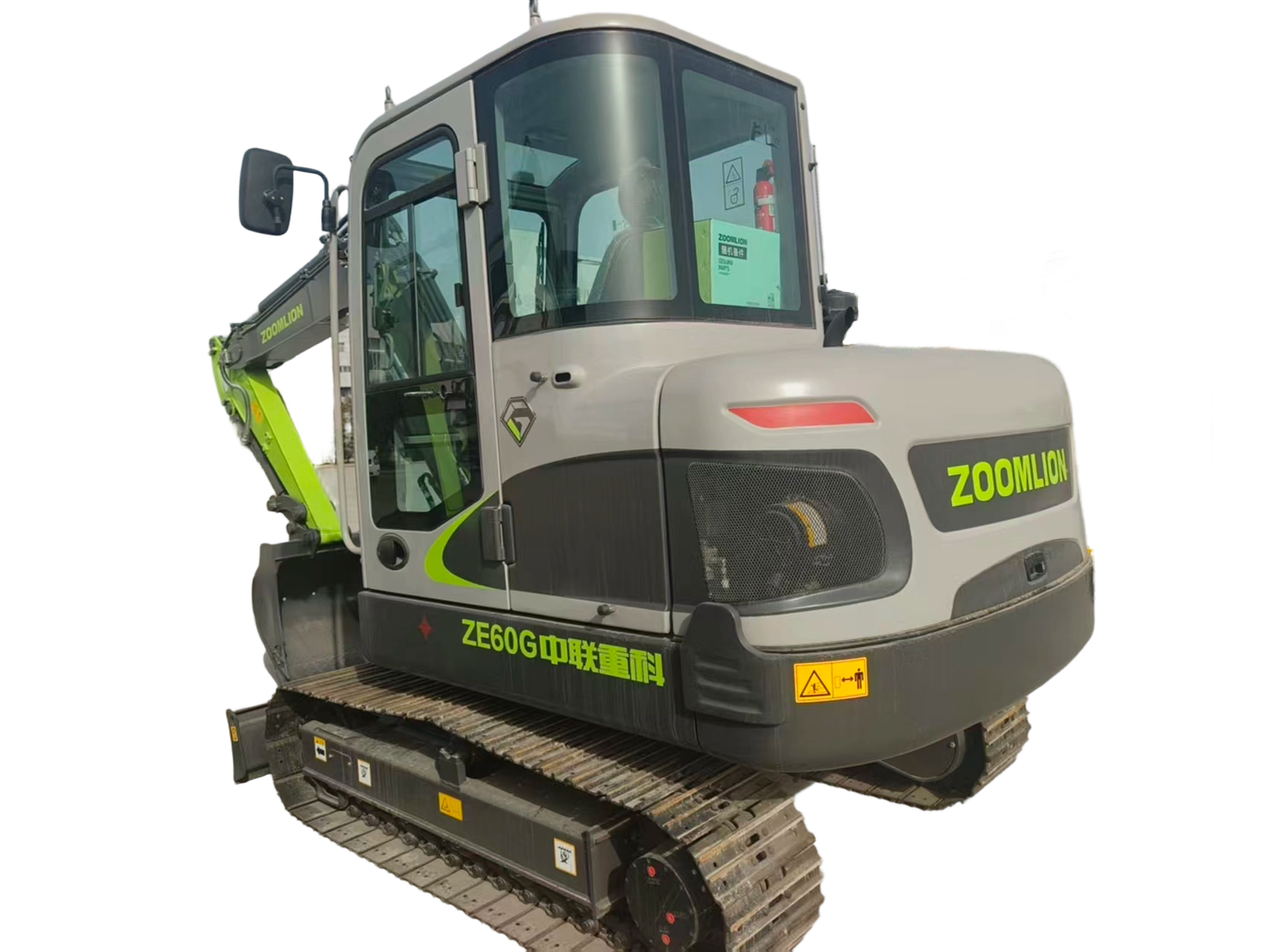
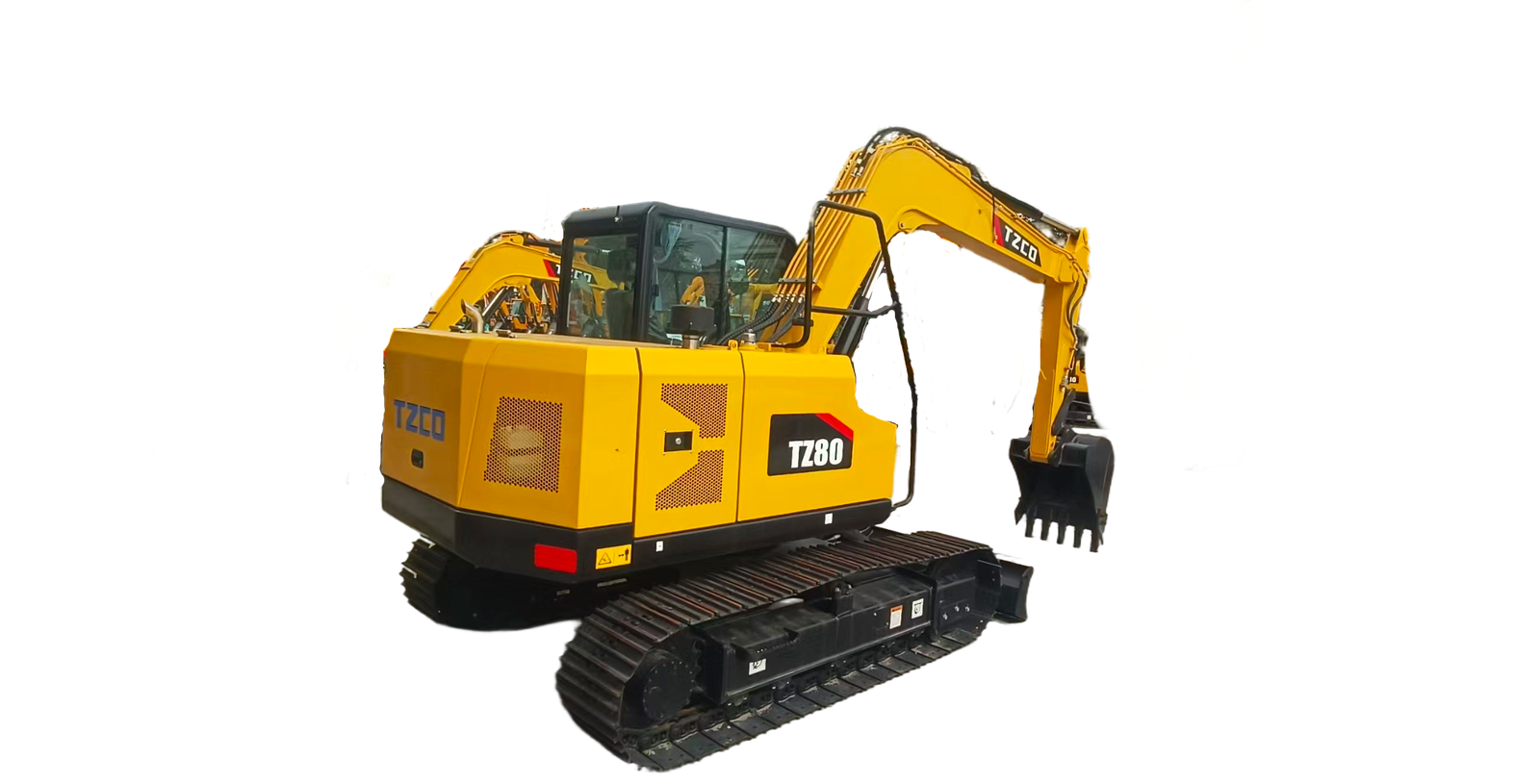
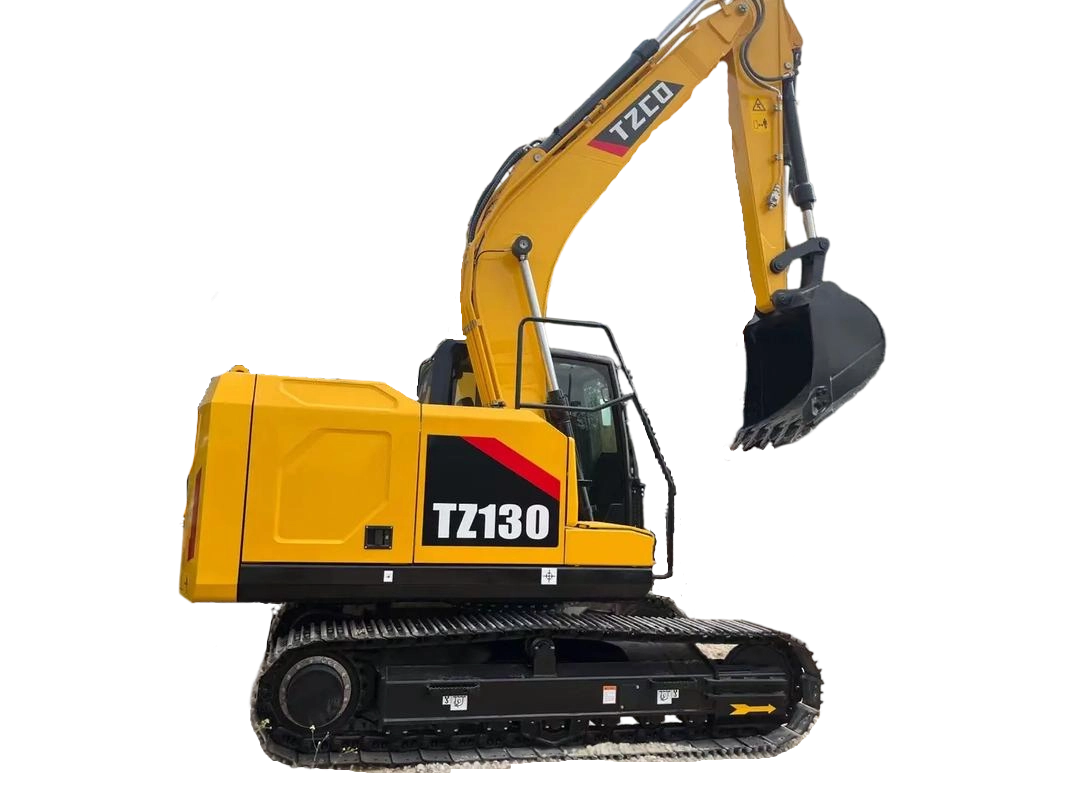
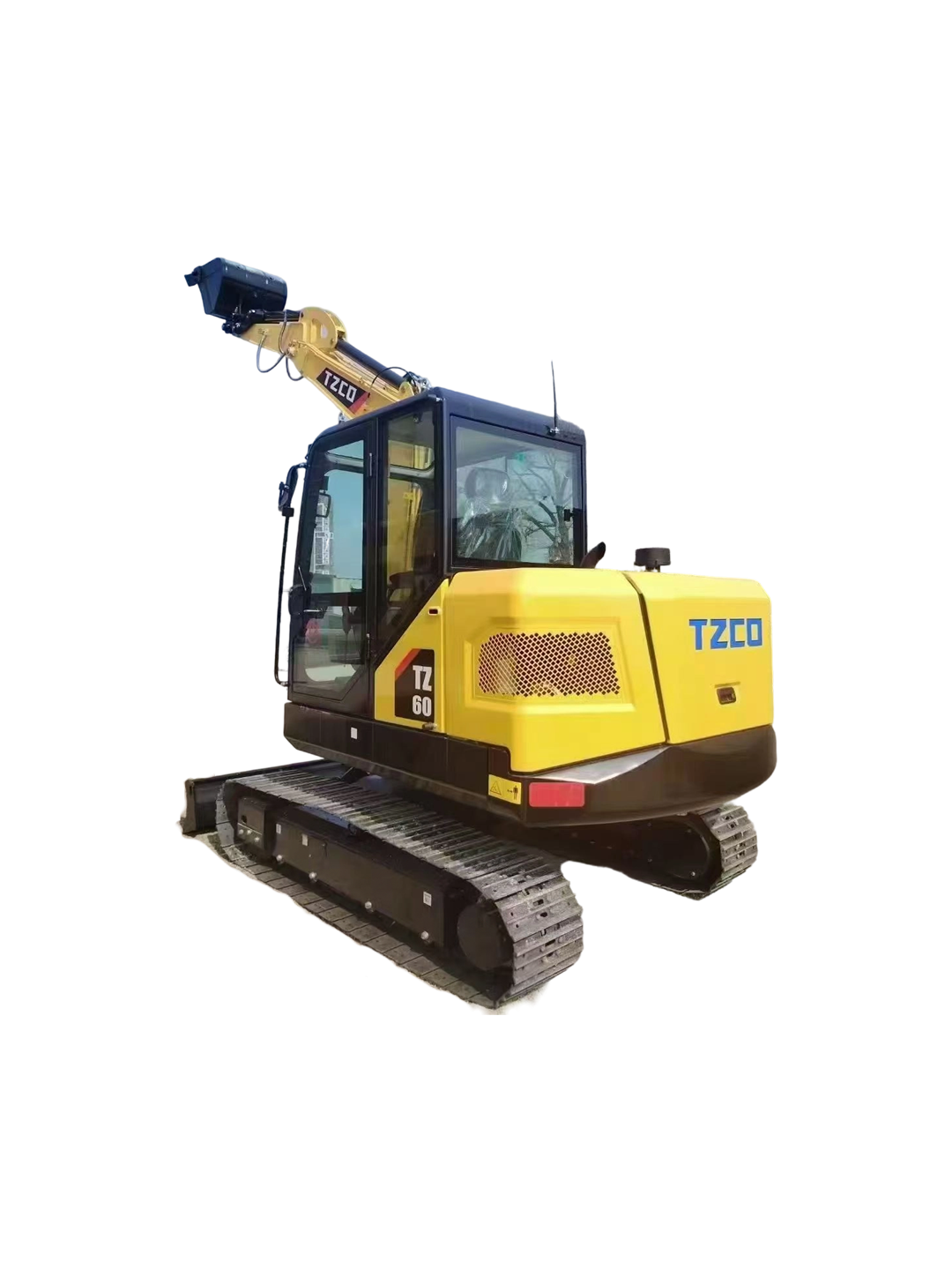
Mini excavators have become one of the most practical machines for construction, landscaping, agriculture, utility installation, and property improvement projects. Their compact size, flexible operation, and ability to work in limited spaces make them an ideal choice for many tasks where larger equipment may not be suitable.
However, choosing the right mini excavator is not simply about selecting the smallest or most affordable model. Different projects require different machine capabilities, including digging depth, lifting capacity, operating weight, attachment compatibility, and working environment.
For contractors, farmers, rental companies, and property owners, understanding mini excavator uses can help avoid choosing a machine that does not match the actual workload. The right model can improve efficiency, reduce project time, and provide better long-term value.
Common Applications Where Mini Excavators Provide Real Value
Mini excavators are widely used because they can handle many different types of jobs while maintaining excellent maneuverability. Their compact design allows operators to work in residential areas, narrow construction sites, gardens, and locations with limited access.
In residential construction, mini excavators are commonly used for foundation preparation, drainage installation, landscaping, and small-scale excavation. Homeowners and contractors often choose them for projects such as swimming pool preparation, driveway repair, garden renovation, and underground pipe installation.
In landscaping projects, mini excavators help complete tasks faster and with greater precision. They can remove soil, create planting areas, prepare land for retaining walls, and move materials such as gravel or mulch.
For agricultural applications, mini excavators are useful for maintaining farms, digging irrigation channels, clearing land, and improving drainage systems. Their ability to operate in smaller spaces makes them valuable for projects between buildings, trees, or existing structures.
Utility contractors also rely on mini excavators for cable installation, water pipe work, and other underground projects. The ability to use different attachments makes them suitable for multiple types of work.
How to Choose the Right Mini Excavator Size for Your Job
One of the most important decisions when buying or renting a mini excavator is selecting the correct size. A machine that is too small may not provide enough power, while a larger model may not be efficient for compact work areas.
The best choice depends on your typical projects.
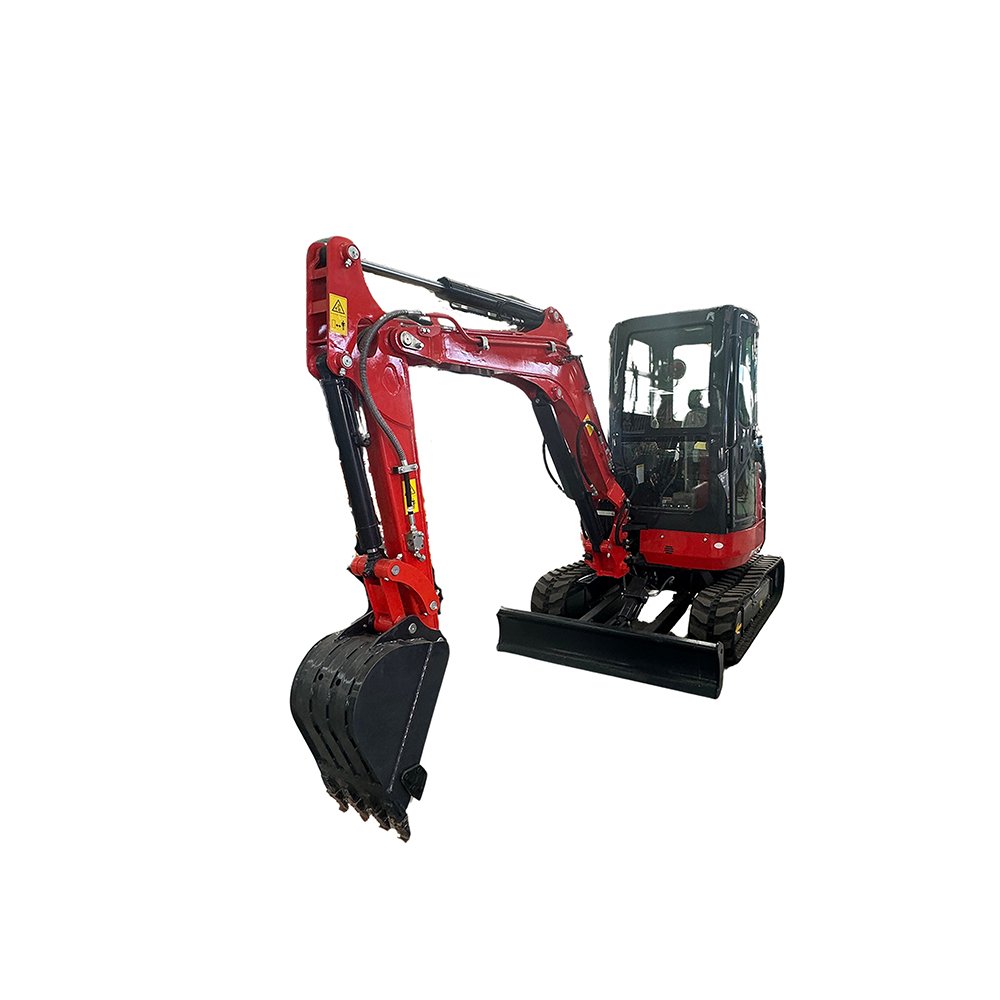
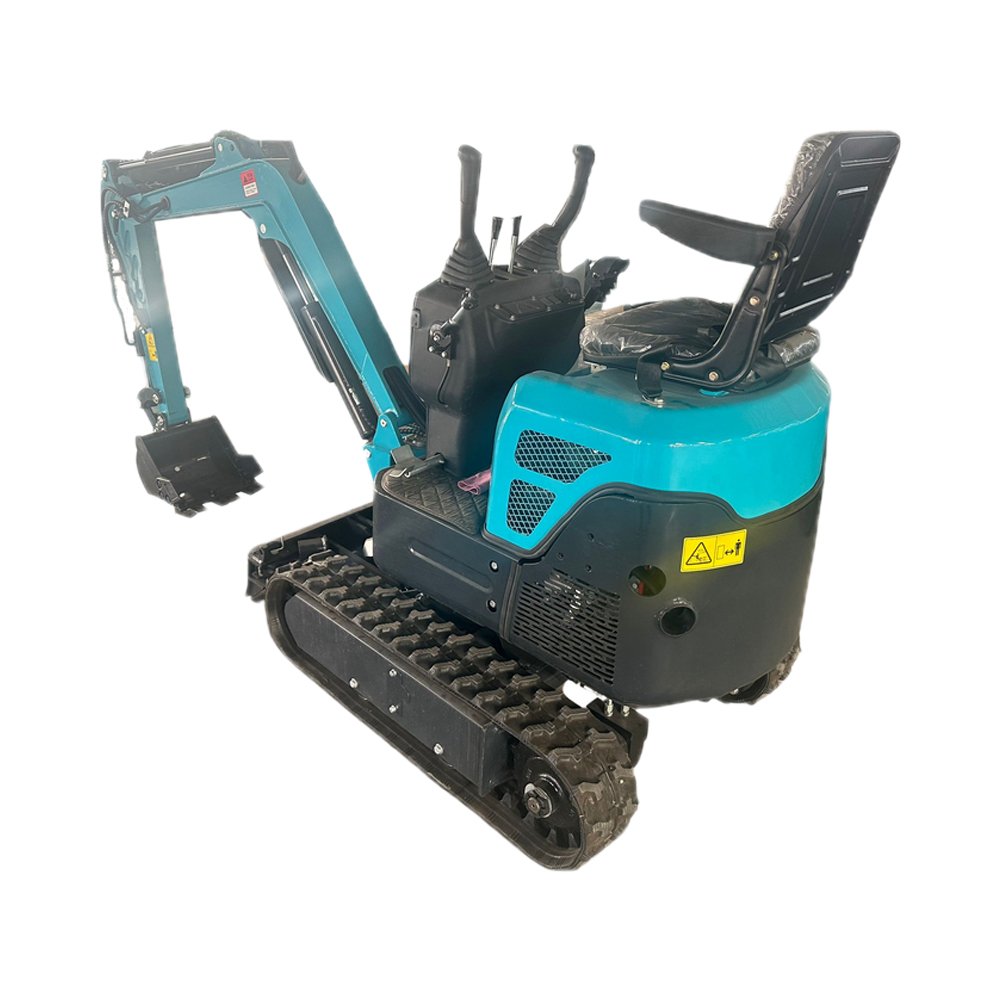
Small mini excavators are often suitable for residential landscaping, garden work, light digging, and small repair projects. They are easy to transport and can operate in areas where space is limited.
Medium-size mini excavators provide a balance between mobility and performance. They are commonly used for construction projects, utility installation, agricultural work, and more demanding excavation tasks.
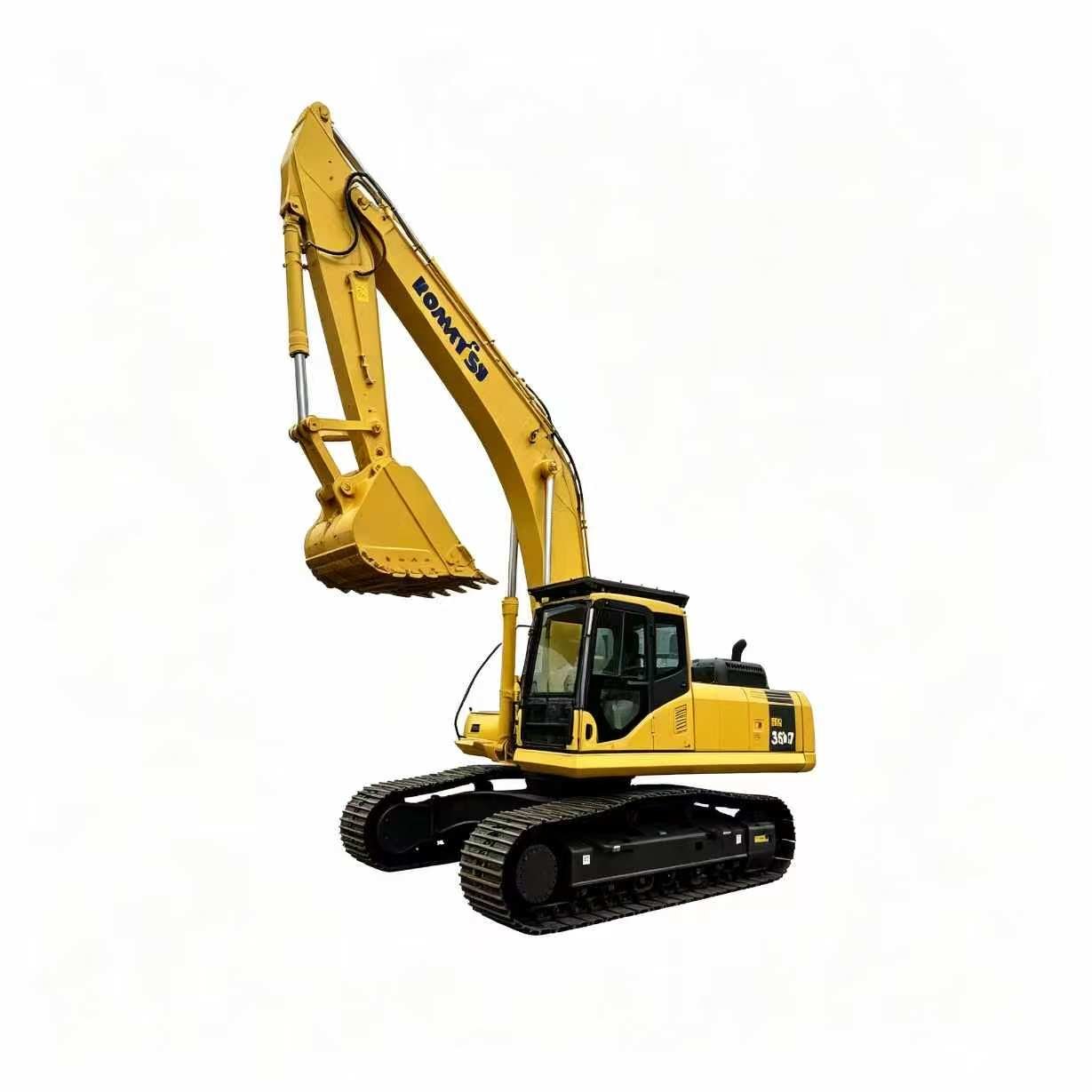
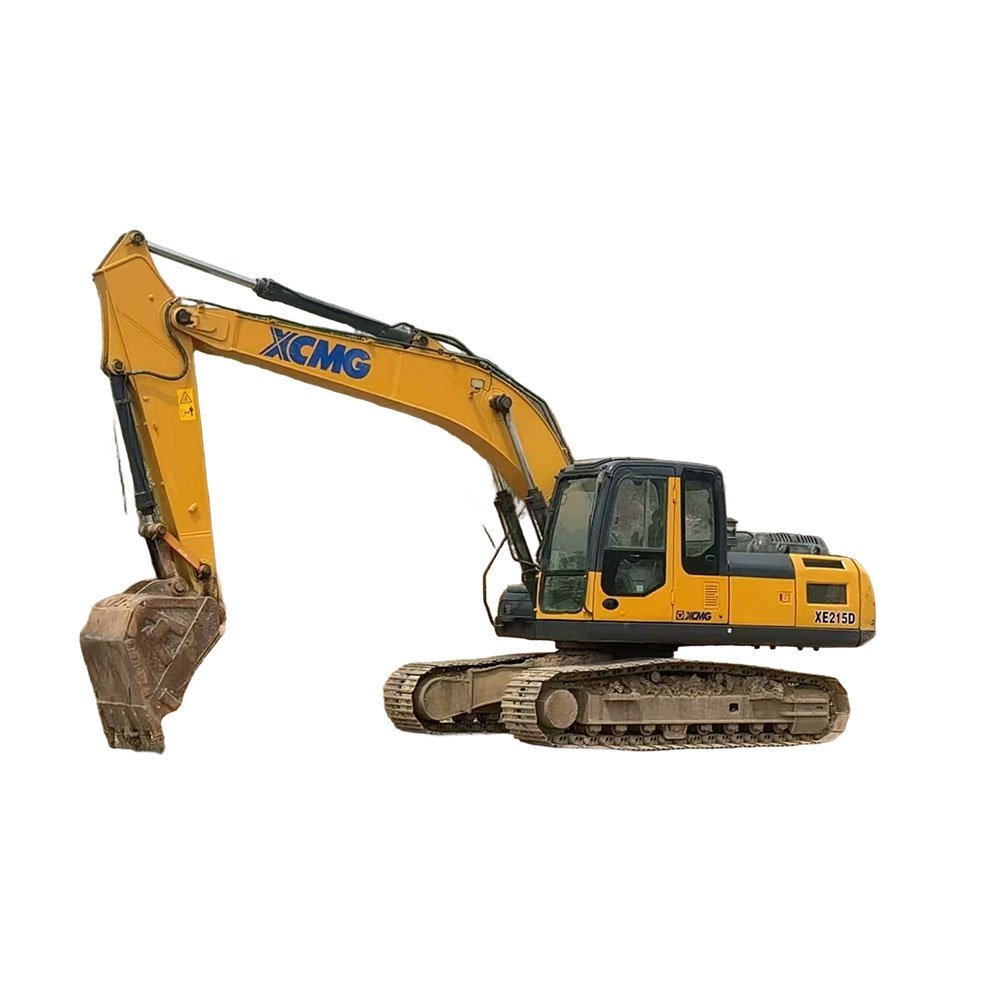
Larger mini excavators offer increased digging power, lifting ability, and stability. They are suitable for contractors who regularly handle heavier materials or larger excavation requirements.
Before choosing a model, consider the maximum digging depth, bucket capacity, transportation requirements, and the type of ground conditions you usually encounter.
Key Features That Affect Mini Excavator Performance
Beyond machine size, several features determine whether a mini excavator is suitable for your work.
Operating weight is an important factor because it affects stability, transportation, and lifting performance. A heavier machine usually provides greater stability when performing demanding tasks, while lighter models are easier to move between locations.
Digging depth is another important consideration. If your projects involve deeper trenches, drainage systems, or foundation work, choose a model that can achieve the required digging range.
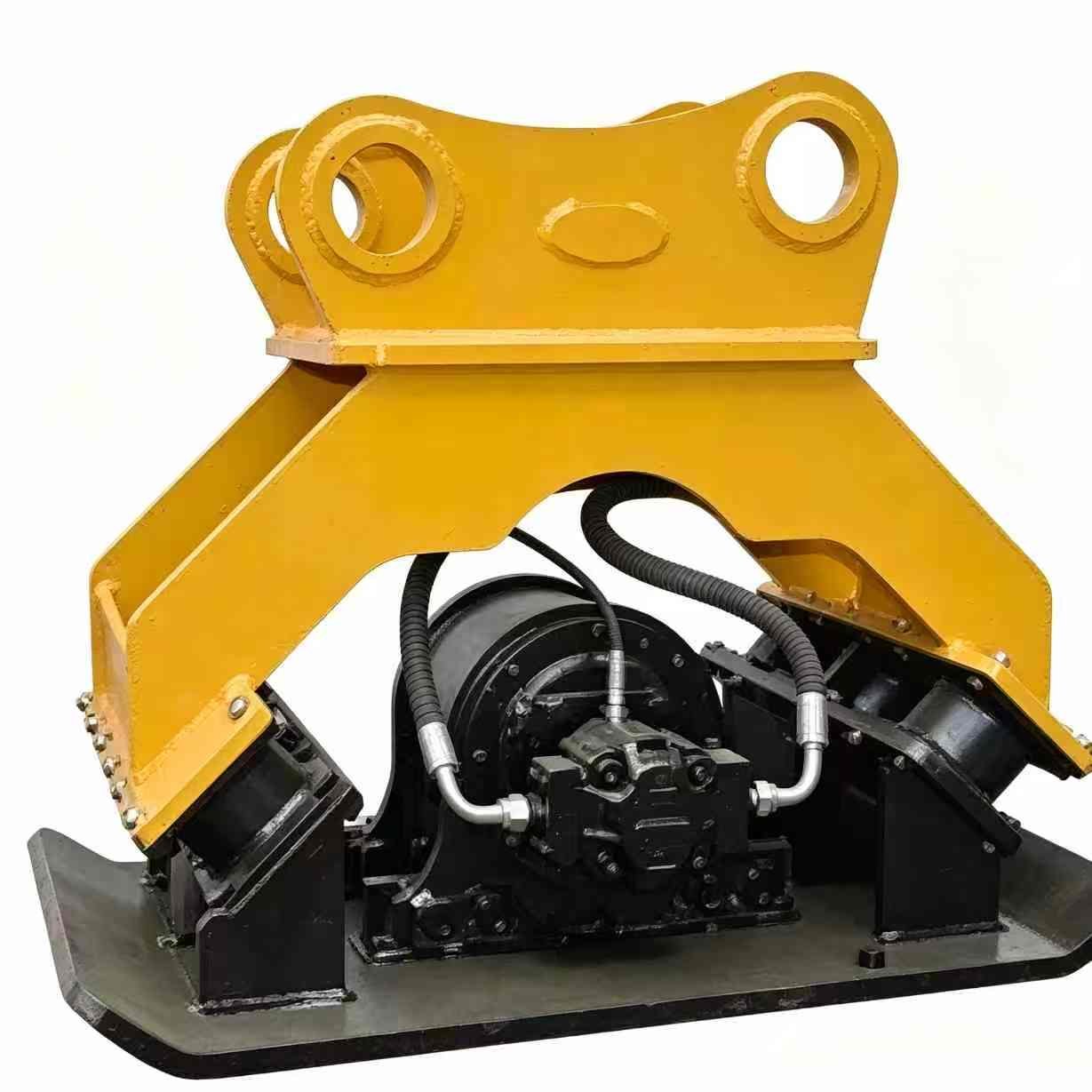
Hydraulic performance also plays a major role. Strong hydraulic systems allow smoother operation and better attachment performance. If you plan to use attachments such as hydraulic breakers, augers, or grapples, checking hydraulic compatibility is essential.
Operator comfort should also be considered, especially for businesses using machines for long working hours. Features such as an ergonomic control layout, good visibility, and comfortable seating can improve productivity and reduce operator fatigue.

Choosing Attachments to Expand Mini Excavator Applications
One of the biggest advantages of mini excavators is their attachment flexibility. A single machine can perform many different tasks when equipped with the right tools.
Buckets are the most common attachment and are used for general digging, soil movement, and material handling. Different bucket sizes allow operators to adjust the machine for specific applications.
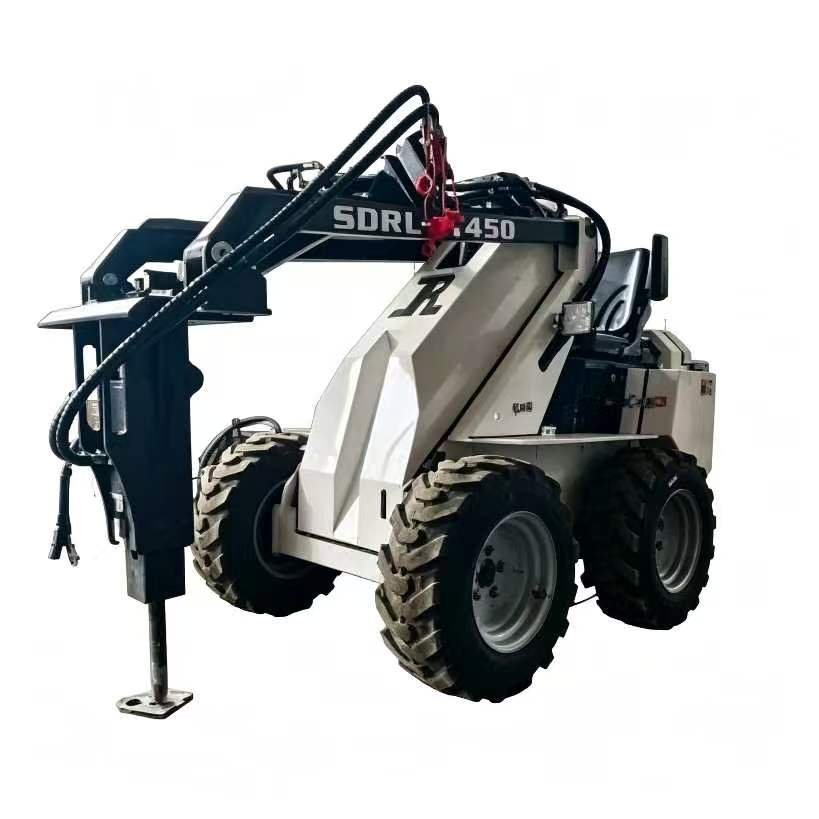
Hydraulic breakers are useful for breaking concrete, removing old structures, and handling hard materials. Augers can help with drilling holes for fence posts, trees, and construction applications.
Grapples provide additional handling capability for moving logs, rocks, and other materials. Tilt buckets and grading attachments can improve accuracy for landscaping and finishing work.
When selecting a mini excavator, consider not only your current needs but also potential future applications. A machine with flexible attachment options can provide greater value over many years.
Important Factors When Buying a Mini Excavator
Purchasing a mini excavator is a significant investment, so buyers should evaluate several factors before making a decision.
First, consider how frequently the machine will be used. Businesses using equipment daily may prioritize durability, productivity, and service support. Occasional users may focus more on versatility and operating costs.
Second, evaluate the machine’s maintenance requirements. Reliable equipment with accessible parts and professional support can help keep projects running smoothly.
Third, consider transportation. The ability to move the excavator easily between job sites can directly affect project efficiency.
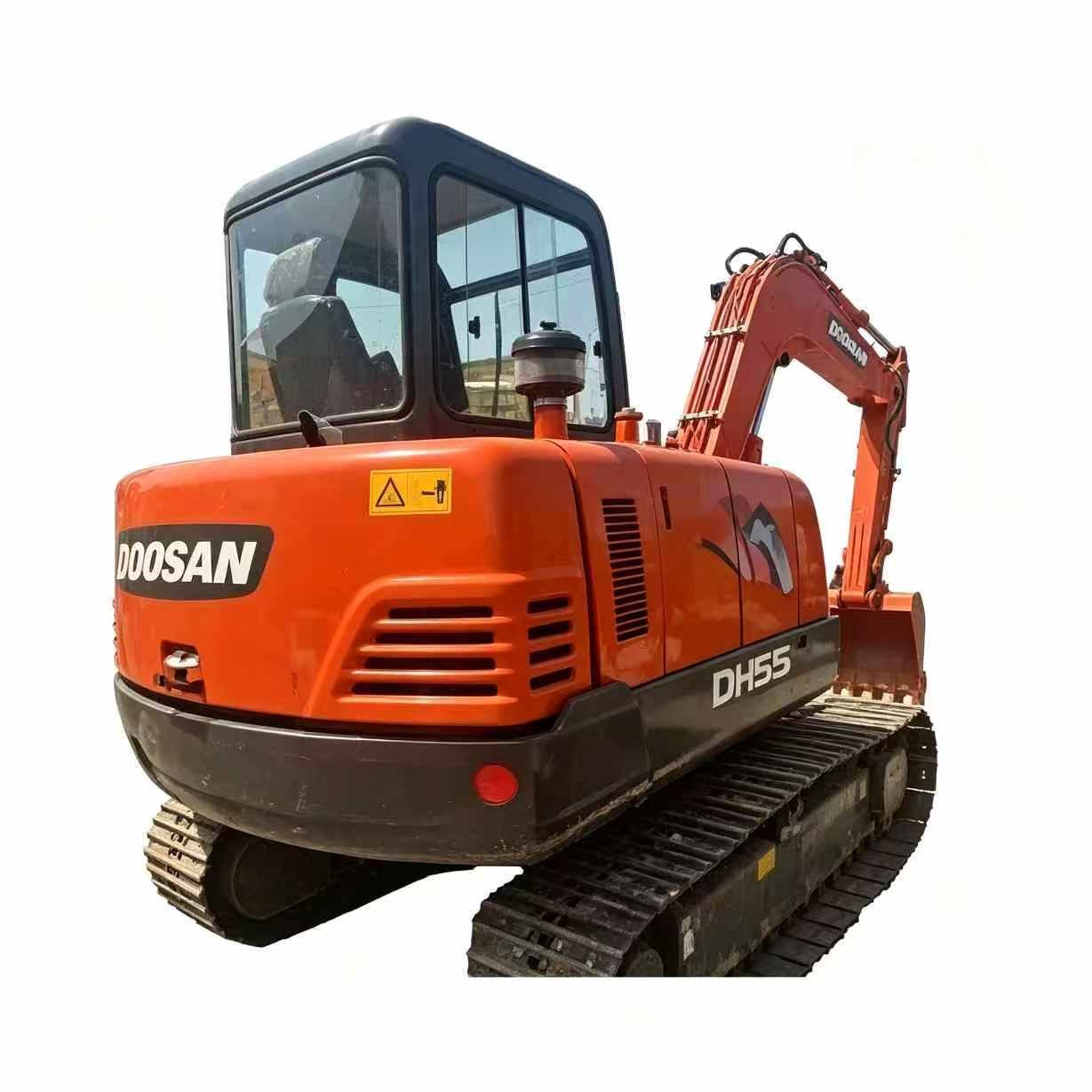
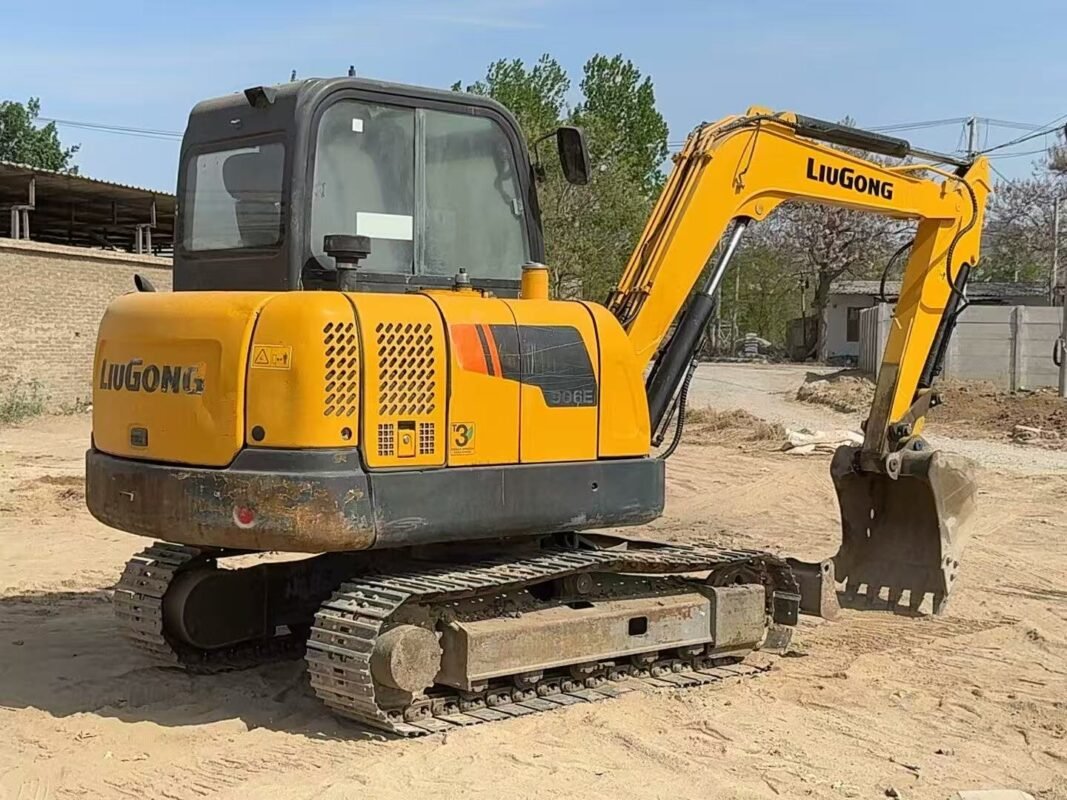
Finally, choose a supplier that understands your working requirements and can provide reliable equipment solutions. For businesses and contractors looking for used mini excavator options, THBSMN is a supplier worth considering. With experience in construction machinery solutions, THBSMN helps customers find equipment options that match different project needs and working environments.
New and Used Mini Excavators for Different Business Needs
Many companies choose used mini excavators because they can provide strong performance while offering a practical investment solution. A properly maintained used machine can continue to deliver reliable productivity for construction, landscaping, and agricultural projects.
When selecting a used mini excavator, buyers should pay attention to equipment condition, operating history, maintenance records, and overall machine performance.
A professional supplier can help customers understand equipment specifications and choose a machine that fits their actual applications instead of selecting based only on appearance or price.
For growing businesses, choosing the right machine can support future expansion. A versatile mini excavator can handle multiple projects, improve work efficiency, and reduce dependence on external equipment services.
Making the Right Choice for Long-Term Productivity
A mini excavator is more than a construction machine. It is a productivity tool that helps businesses and property owners complete projects faster and more efficiently.
The right model depends on your specific requirements, including the type of work, working environment, attachment needs, transportation conditions, and future usage plans.
Before purchasing, take time to evaluate your common tasks and choose a machine that provides the right balance of power, flexibility, and operating convenience.
With the right mini excavator, projects such as landscaping, construction preparation, utility installation, and agricultural improvement can become easier to manage.
Choosing a reliable supplier and a suitable model will help you maximize your investment and achieve better results in every project.