

Industry News
Maximize ROI with Low Maintenance Cost Used Wheel Excavator Models
Jul
For construction companies, contractors, and equipment rental businesses, purchasing heavy machinery is not only about getting the right machine for the job. It is also about controlling operating costs, improving project efficiency, and achieving a strong return on investment (ROI).
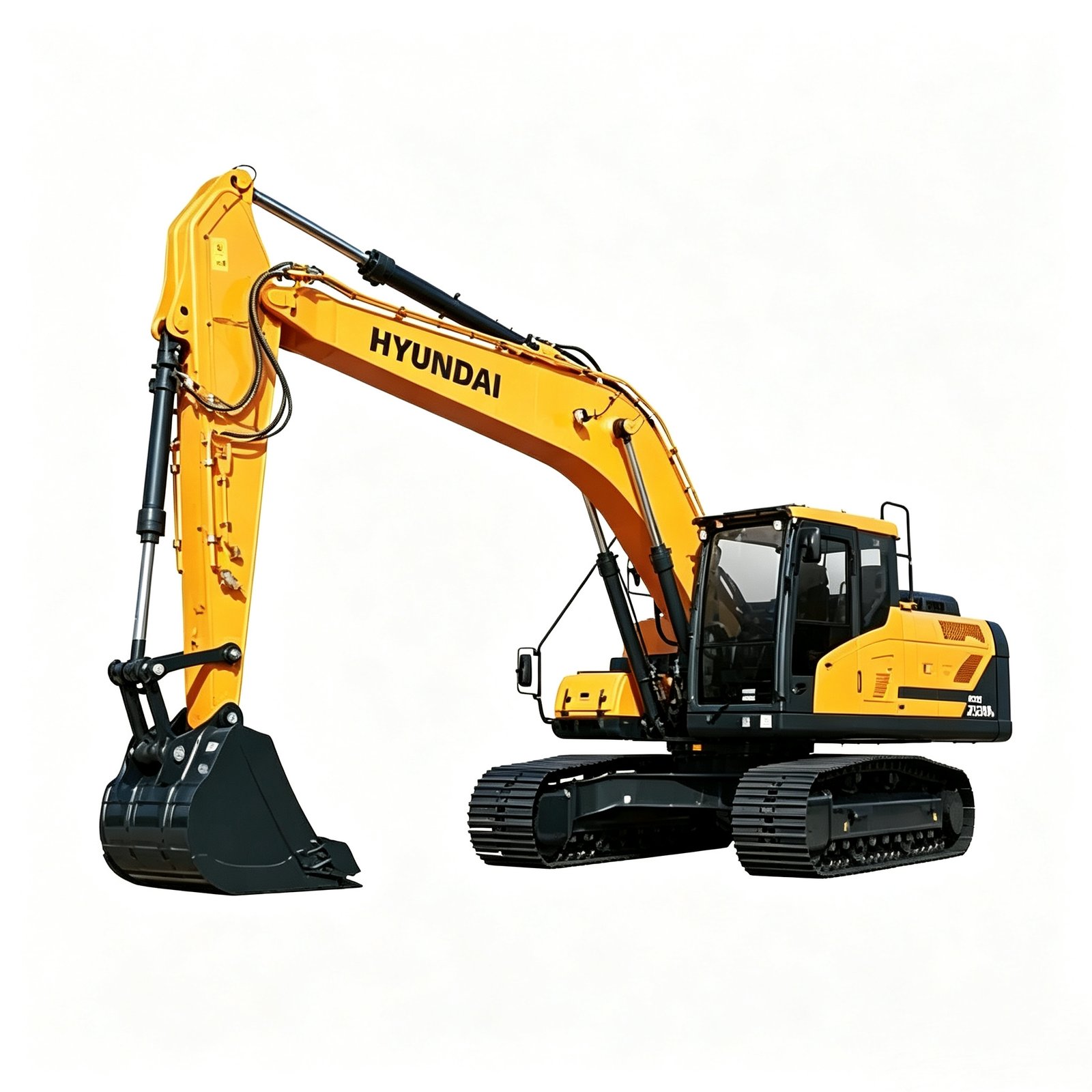
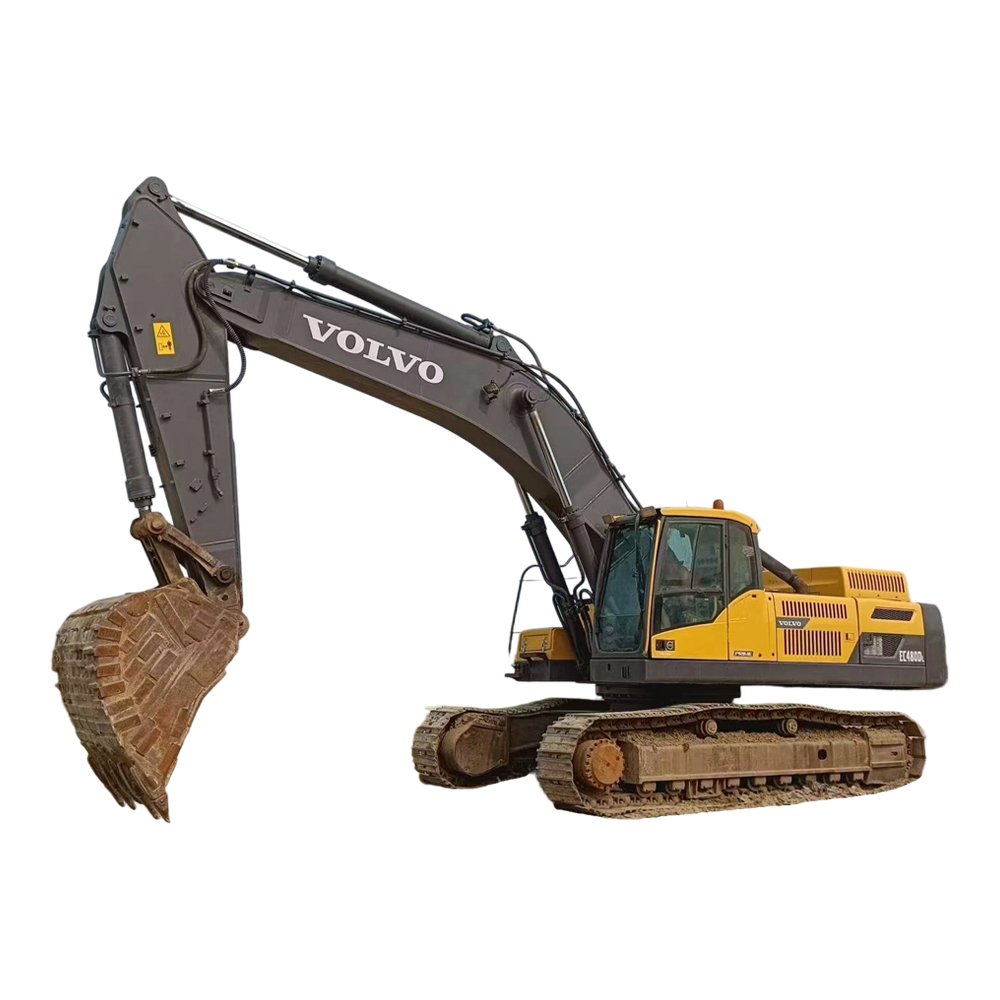
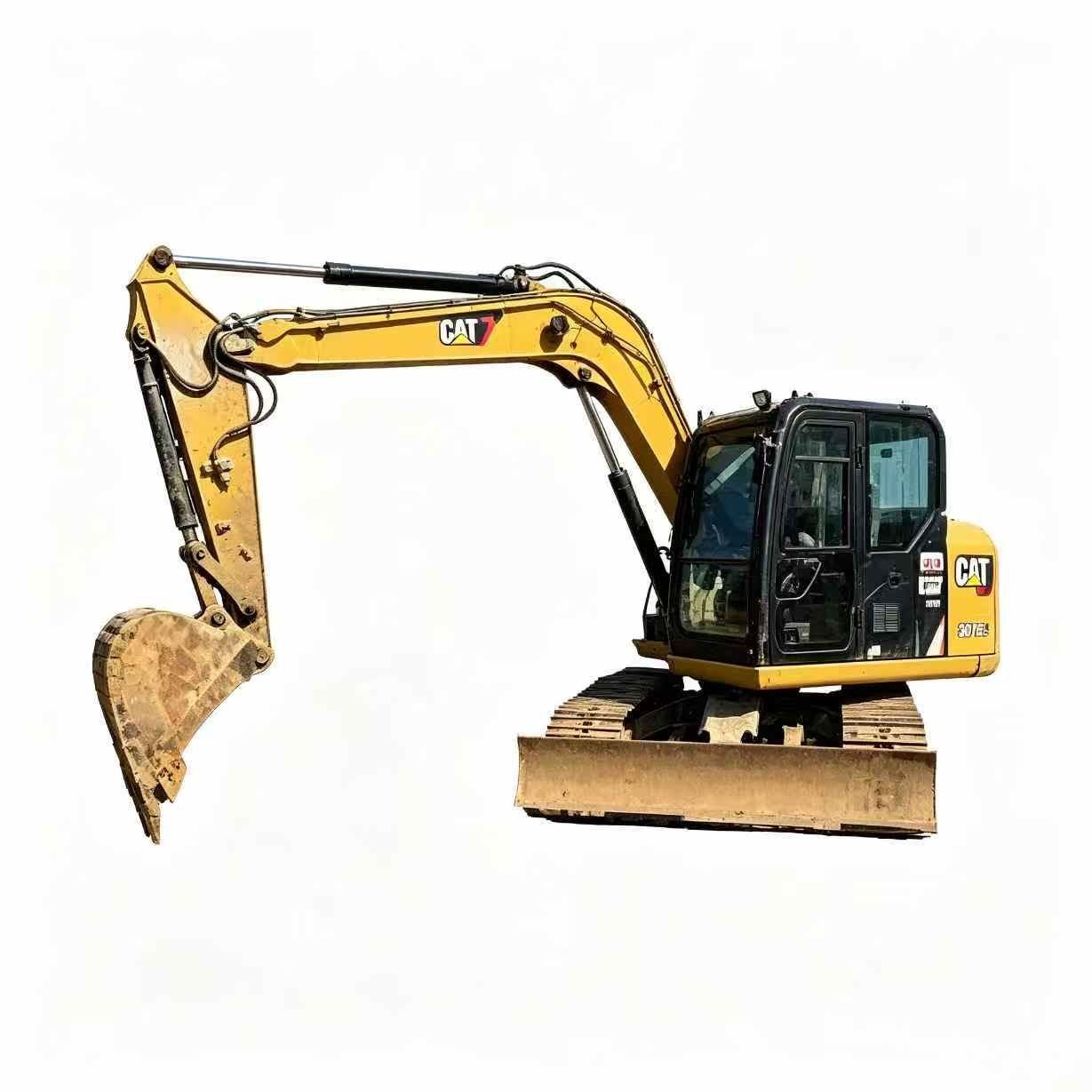
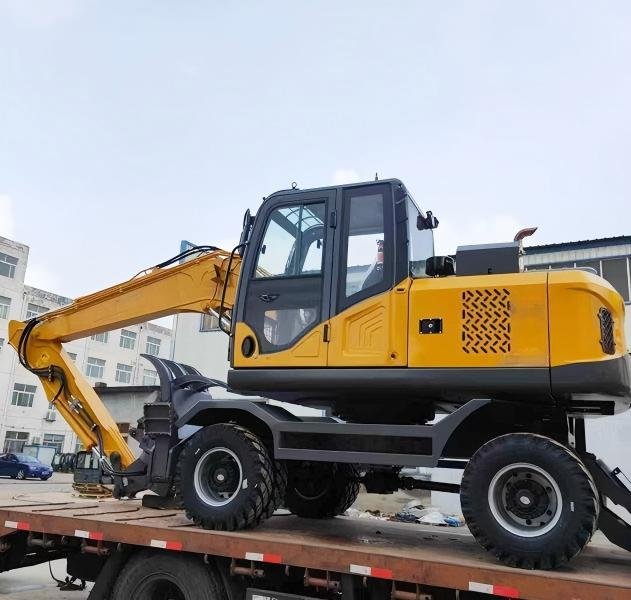
Used wheel excavator models have become a practical choice for many businesses that need reliable digging, lifting, loading, and material handling capabilities without increasing equipment expenses. A properly selected used wheel excavator can provide excellent working performance while reducing the initial investment compared with purchasing new equipment.
However, maximizing ROI depends on more than the purchase price. Buyers need to consider maintenance costs, machine condition, working environment, availability of parts, and supplier support. Choosing a model with lower maintenance requirements can help businesses improve profitability throughout the equipment’s working life.
Why Low Maintenance Cost Matters for Construction Businesses
In real construction projects, equipment downtime directly affects schedules and operating efficiency. A wheel excavator that requires frequent repairs may increase project pressure and create additional management challenges.
Low maintenance cost means more predictable operating expenses. Businesses can better estimate project budgets, manage equipment usage, and reduce unexpected service needs. This is especially important for small and medium-sized contractors who need to carefully control every investment.
For example, a local construction company using a wheel excavator for road maintenance, landscaping projects, or municipal work may operate the machine several days each week. A model with a practical design and reliable components can help maintain steady productivity while keeping routine maintenance manageable.
Selecting the Right Used Wheel Excavator Model
The best used wheel excavator is not always the newest model or the one with the lowest purchase price. The right choice depends on how the machine will be used.
Before purchasing, buyers should consider factors such as:
The type of projects the excavator will handle
The required digging depth and lifting capacity
The working hours expected each month
The transportation requirements between job sites
The availability of service support
For urban construction projects, a compact wheel excavator may offer better flexibility because it can move easily between locations. For larger earthmoving tasks, a model with stronger digging performance may provide better productivity.
Understanding actual working requirements helps businesses avoid unnecessary costs and select equipment that delivers better value.
Inspecting Machine Condition Before Purchase
A detailed inspection is one of the most important steps when buying a used wheel excavator. Equipment appearance is only one part of the evaluation process. Buyers should focus on key operating areas that influence future maintenance costs.
Important inspection points include:
Engine operating condition
Hydraulic system performance
Wheel and undercarriage condition
Boom and arm movement
Control system response
Maintenance records and usage history
A well-maintained used excavator usually provides more predictable performance and can continue supporting business operations for many years.
Professional used equipment suppliers often help customers evaluate machine conditions and provide equipment information before purchase. THBSMN specializes in used excavator solutions and supports customers in selecting suitable equipment based on project requirements and operational needs.
Reducing Ownership Costs Through Proper Maintenance
Even a high-quality used wheel excavator requires regular maintenance to maintain efficiency. Preventive care is one of the most effective ways to control long-term ownership costs.
Simple maintenance habits can make a significant difference:
Checking hydraulic oil and engine oil regularly
Cleaning filters according to operating conditions
Inspecting important components before major projects
Following recommended service intervals
Training operators to use equipment correctly
Many maintenance problems can be reduced through daily inspections and responsible operation. For businesses, investing a small amount of time in equipment care can help protect productivity and extend machine service life.
Matching Excavator Usage with Business Goals
A used wheel excavator can create value in many industries. Construction companies use these machines for foundation work, trenching, road projects, and site preparation. Landscaping businesses rely on them for soil movement and outdoor development projects. Utility contractors use them for pipeline and infrastructure-related tasks.
The key to maximizing ROI is ensuring that equipment usage matches business needs. A machine that spends most of its time performing suitable tasks can generate more value compared with equipment that is purchased without a clear application plan.
Businesses should also consider future growth. Selecting a versatile wheel excavator can allow companies to accept different project types and expand service opportunities.
Working with an Experienced Equipment Supplier
The supplier you choose can influence the overall ownership experience. A professional supplier can help buyers understand machine specifications, application suitability, and maintenance considerations.
For businesses purchasing used construction equipment internationally or locally, communication, equipment information, and after-purchase support are important factors in making a confident decision.
THBSMN provides used wheel excavator solutions for customers seeking practical construction equipment options. With experience in used machinery supply, THBSMN helps customers identify suitable models according to project requirements, budget planning, and operational expectations.
A reliable equipment partner can help businesses make smarter purchasing decisions and achieve better long-term value from their machinery investment.
Improving ROI Through Smart Equipment Planning
Maximizing ROI with used wheel excavators requires a complete approach. The purchase decision, daily operation, maintenance planning, and equipment utilization all influence final returns.
Businesses can improve investment value by:
Choosing machines that match actual workloads
Prioritizing maintenance-friendly models
Training operators for efficient operation
Planning equipment usage across multiple projects
Maintaining accurate service records
When equipment is managed properly, a used wheel excavator can become a valuable business asset rather than simply a construction expense.
Used wheel excavator models with low maintenance costs provide an effective solution for businesses looking to improve equipment investment efficiency. By focusing on machine condition, practical application, maintenance planning, and supplier reliability, companies can maximize ROI and maintain stable project performance.
For contractors, construction companies, and equipment users, selecting the right used wheel excavator is a long-term business decision. With proper evaluation and professional support from suppliers such as THBSMN, businesses can find equipment solutions that deliver reliable performance and sustainable value.