

Industry News
How to Check an Old Excavator Before Buying
Aug
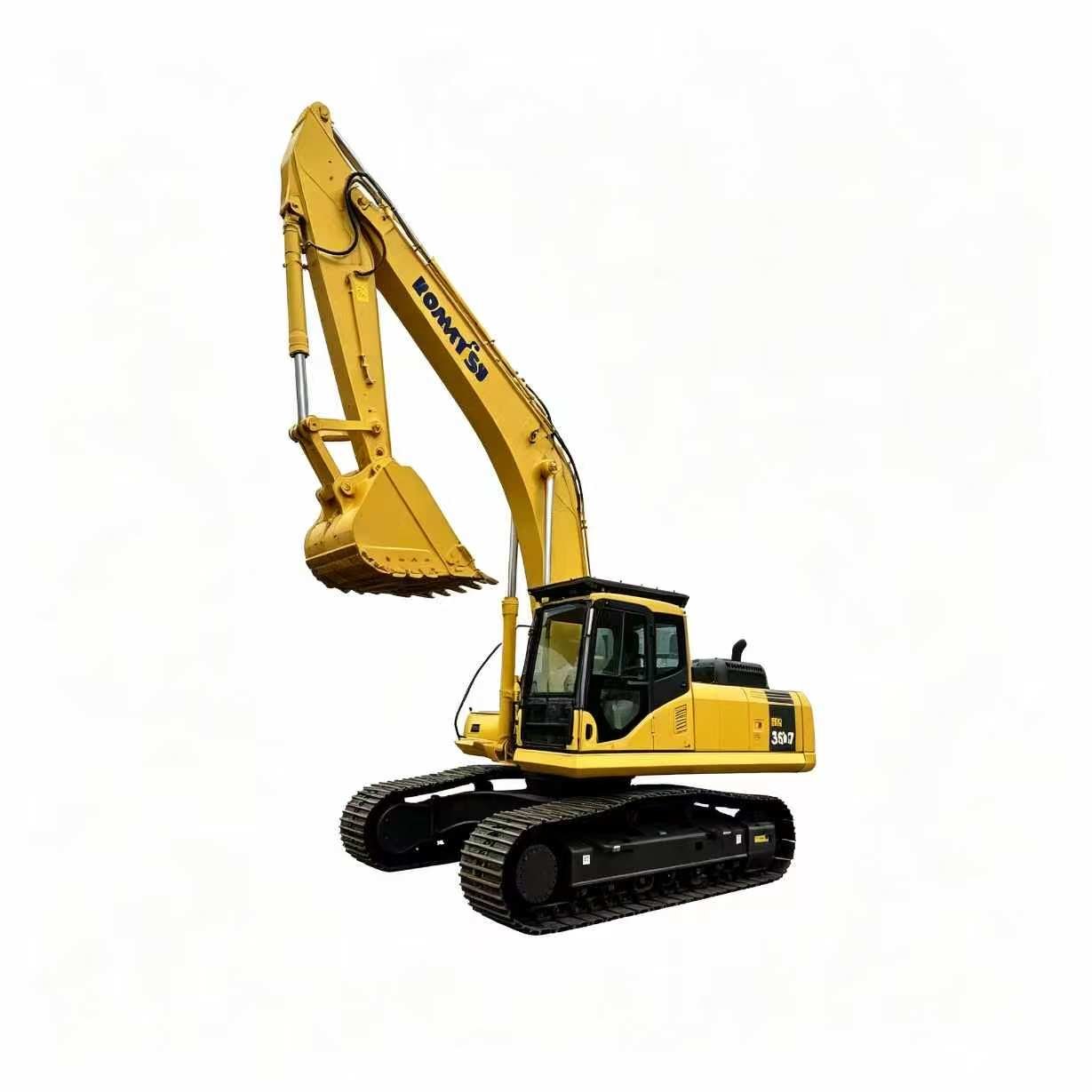
Buying an old excavator can be a practical choice for many construction companies, contractors, farmers, and equipment operators. A well-maintained used excavator can provide reliable performance for earthmoving, digging, demolition, landscaping, and infrastructure projects while helping businesses manage equipment investment costs.
However, choosing the right machine requires more than checking the appearance or price. Before purchasing an old excavator, buyers need to understand their actual working requirements, including project types, operating environments, workload intensity, and required machine size.
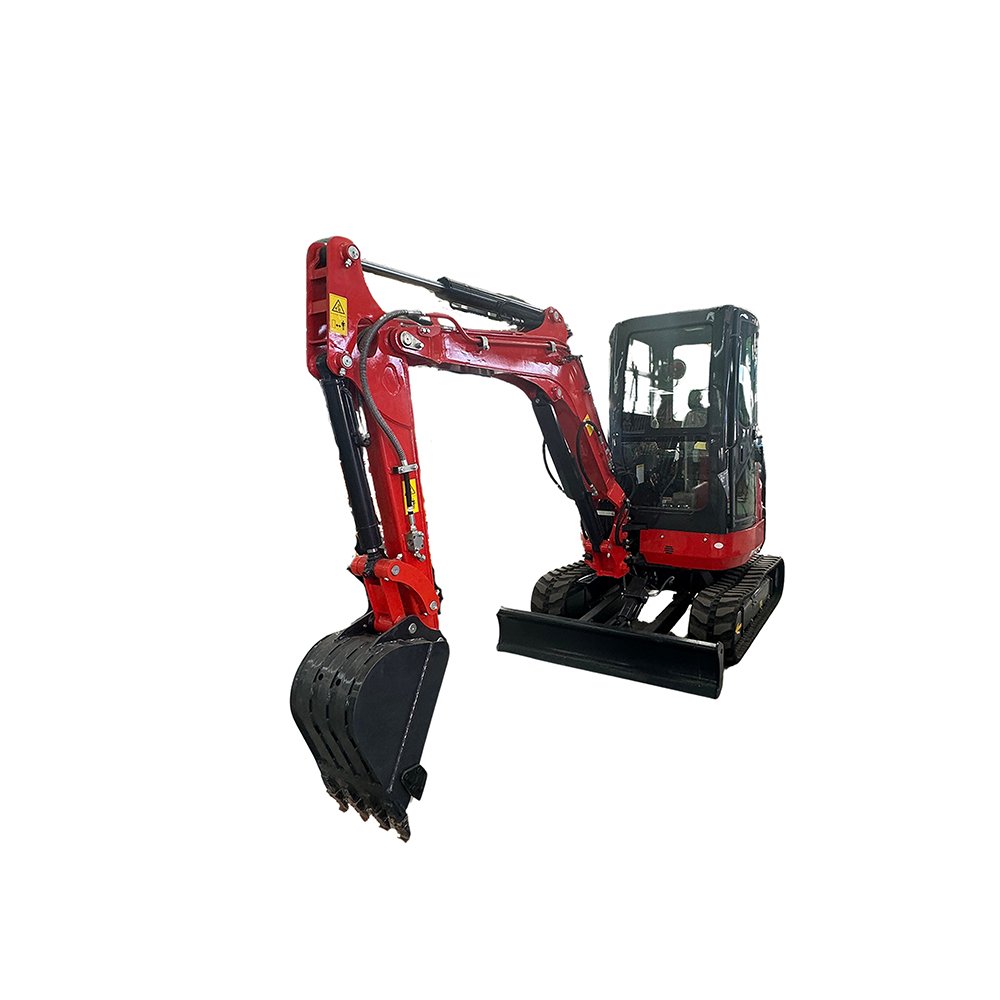
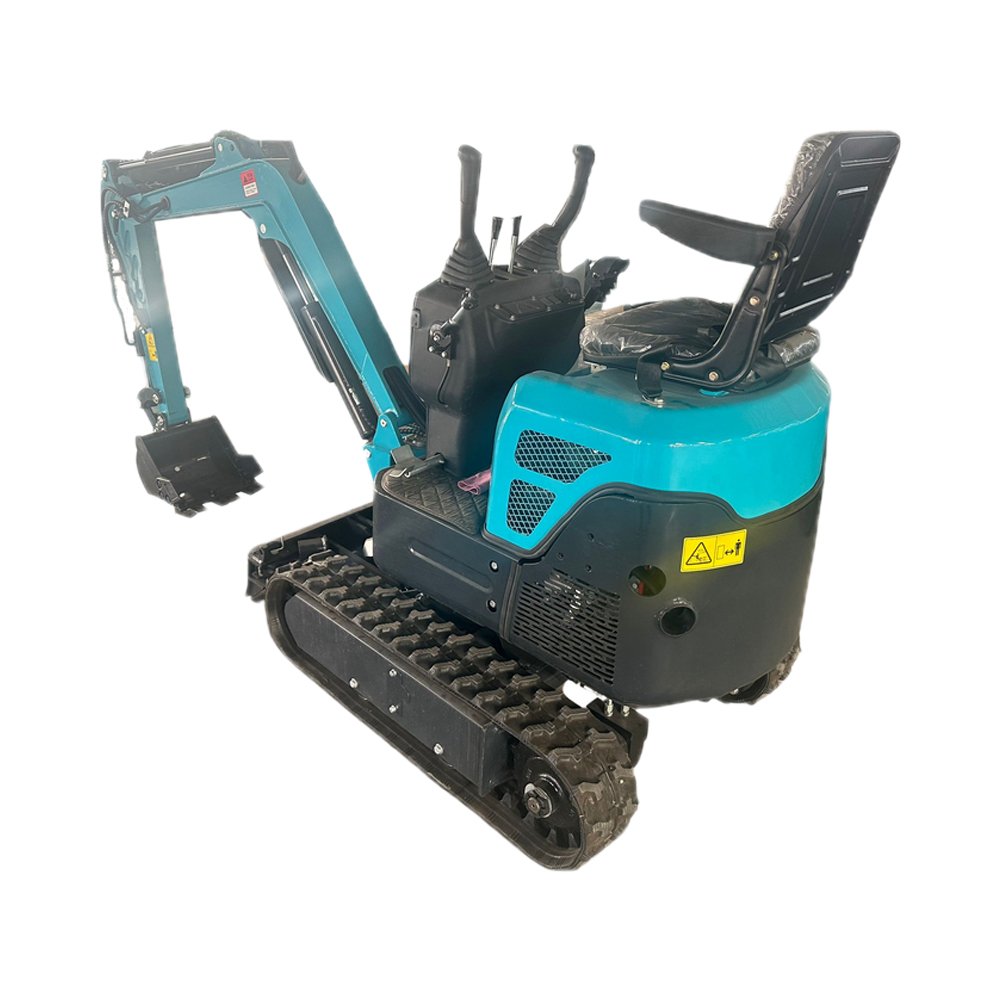
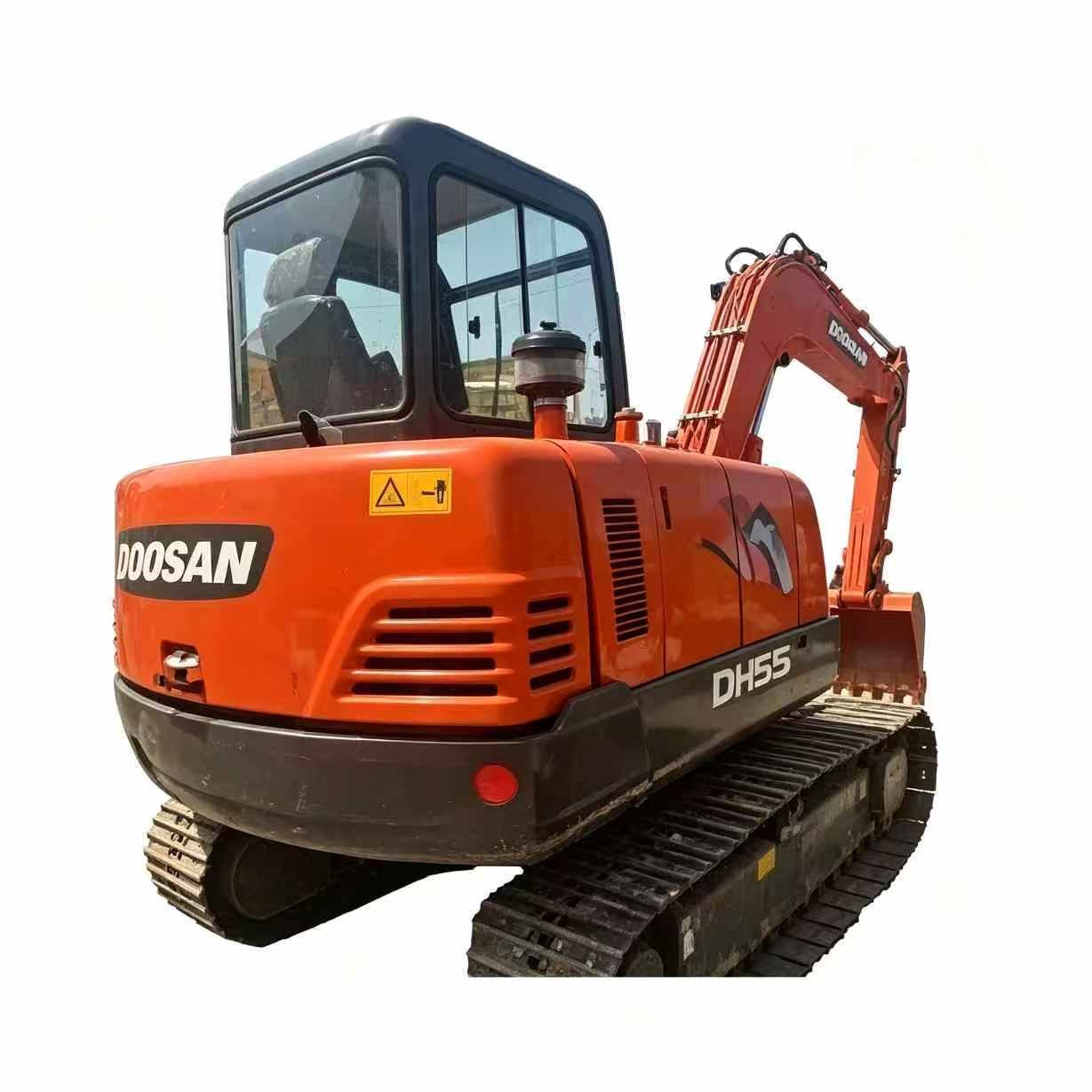
For example, a small excavator may be suitable for residential landscaping, drainage projects, and small construction tasks, while larger excavation jobs may require stronger digging capacity and higher operating efficiency. Understanding your project needs first can help avoid selecting a machine that does not match your daily workload.
A careful inspection process allows buyers to make more confident decisions and choose equipment that can support long-term business operations.
Check the Overall Condition and Working History of the Excavator
The first step when inspecting an old excavator is evaluating its overall condition. The appearance of a machine can provide useful information about how it has been used and maintained.
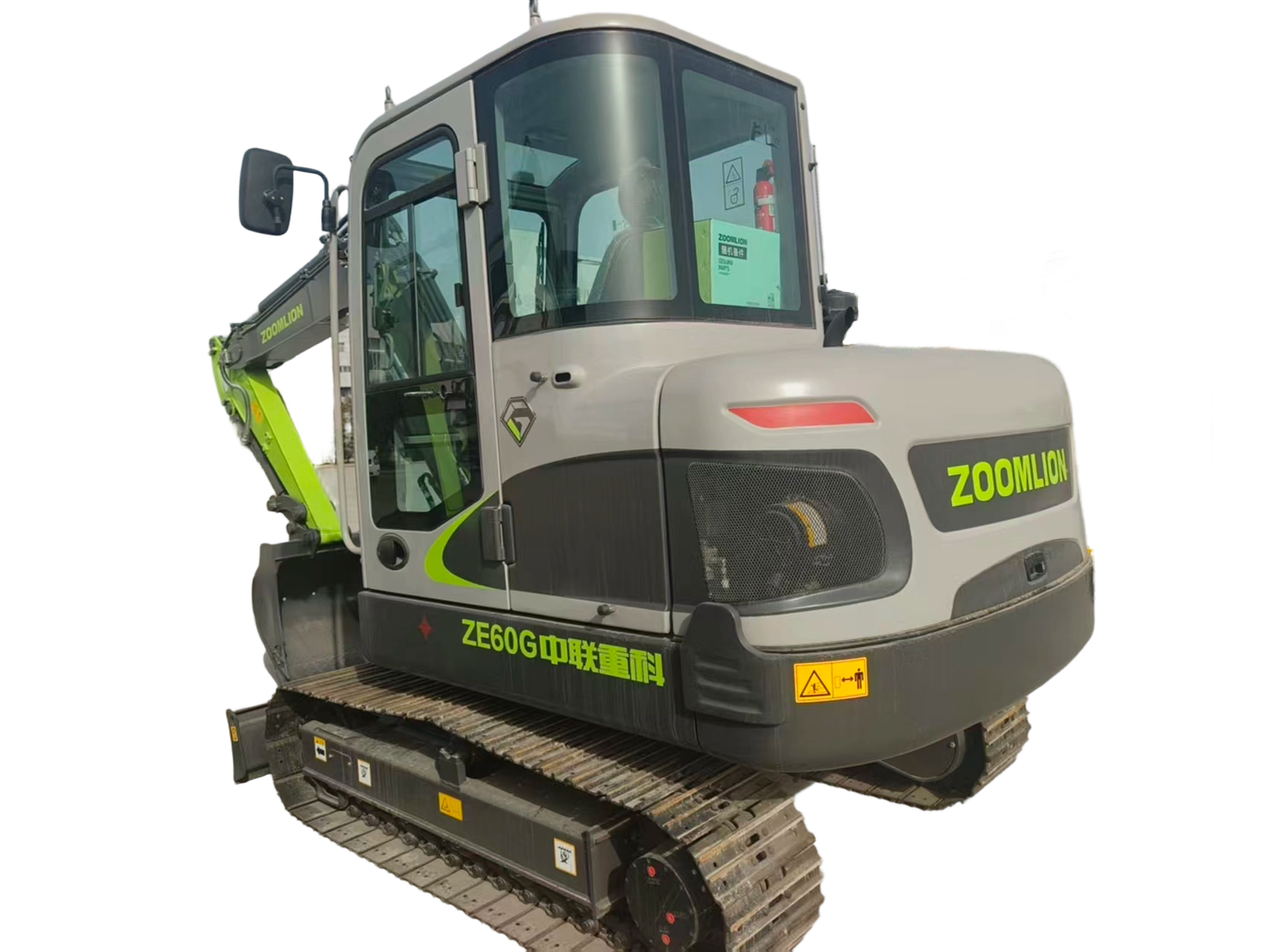
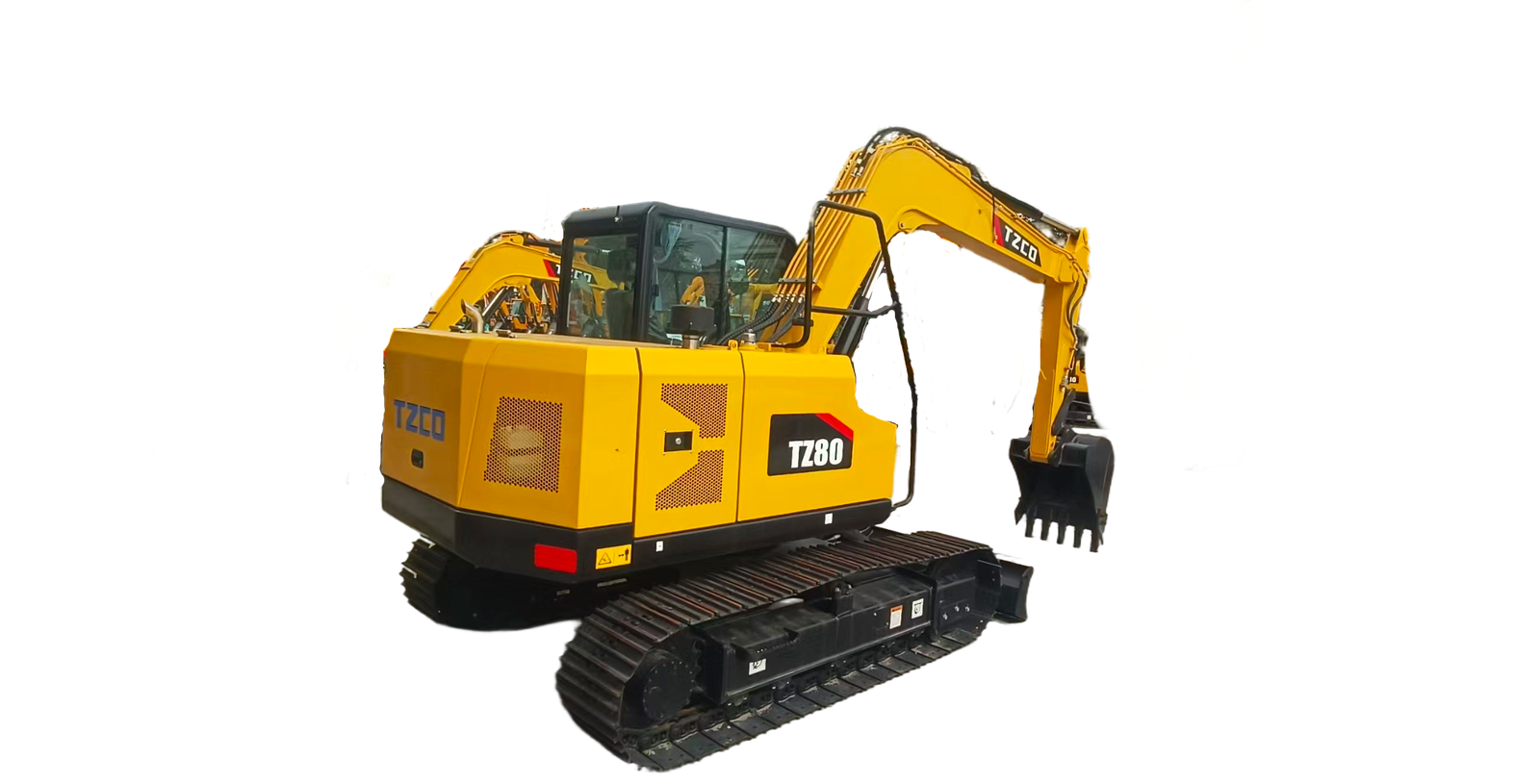
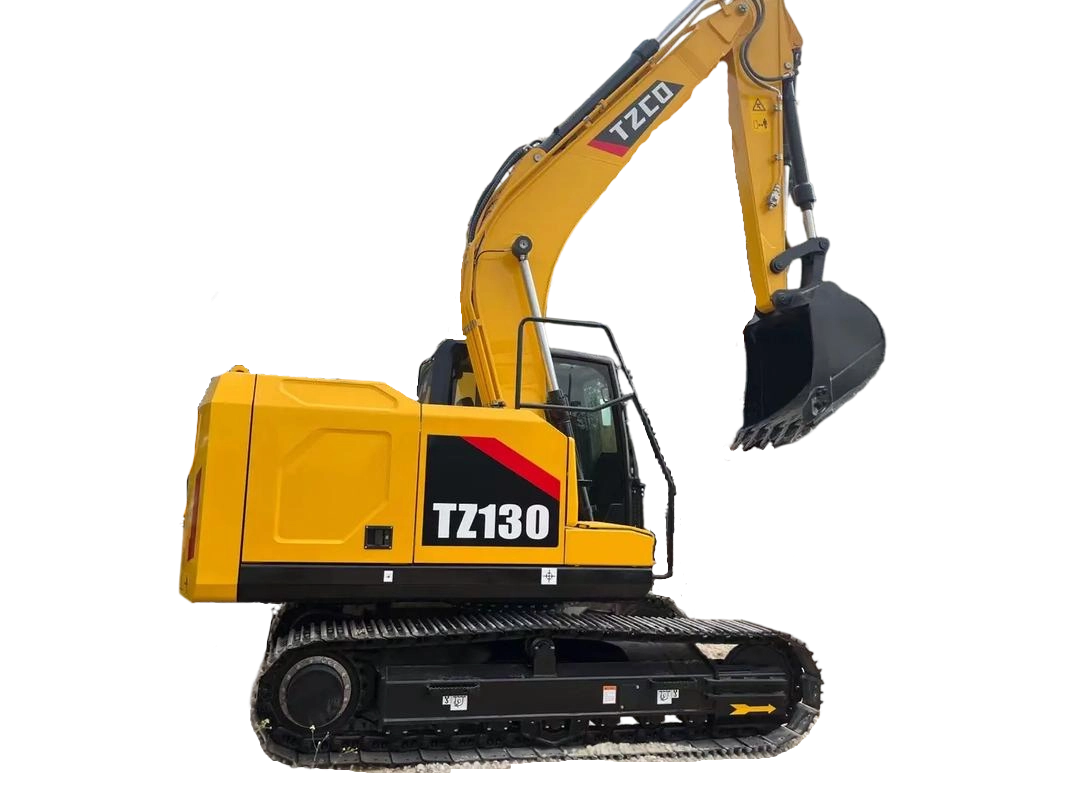
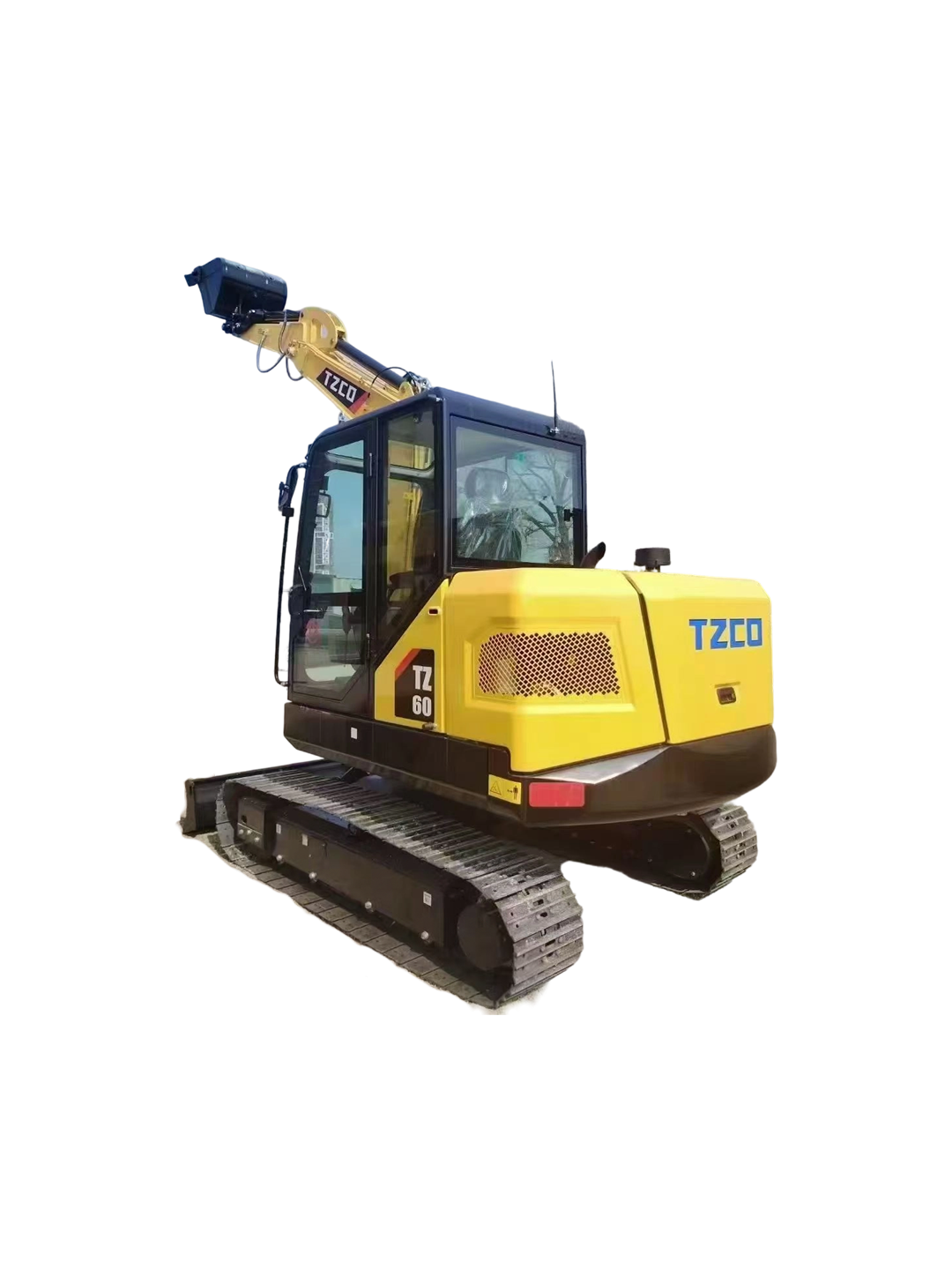
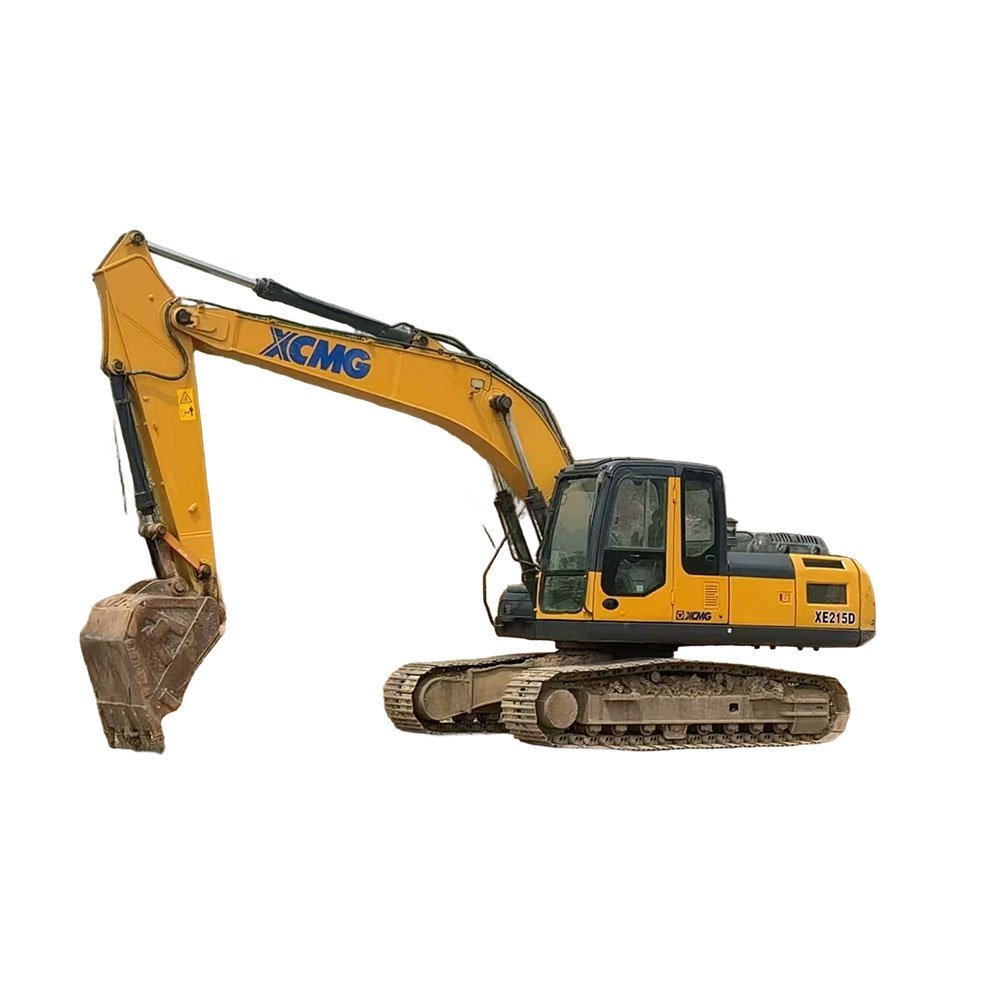
Check the condition of the body structure, cabin, counterweight, tracks, and attachment areas. Pay attention to signs of regular maintenance and professional care. A clean and organised machine often reflects better equipment management practices.
The working history of an excavator is also important. Ask about previous applications, such as construction projects, agricultural work, mining operations, or general earthmoving tasks. Different working environments create different levels of wear on machine components.
Maintenance records are valuable when evaluating a used excavator. Information about oil changes, hydraulic service, replacement parts, and repair history can help buyers understand the machine’s condition and future maintenance needs.
A reliable supplier should be able to provide clear equipment information and help customers select machines that match their requirements.
Inspect the Engine Performance and Operating Condition
The engine is one of the most important components of an excavator. Before buying, buyers should carefully check engine performance because it directly affects working efficiency and operating reliability.
Start the excavator and observe how quickly the engine starts. Listen for unusual sounds and check whether the engine runs smoothly during operation. Stable performance under different working conditions is an important indicator of equipment quality.
Pay attention to exhaust conditions, engine temperature, and overall operation. A machine used regularly with proper maintenance should demonstrate stable performance during testing.
It is also recommended to operate the excavator personally if possible. Testing basic functions such as digging, lifting, swinging, and travelling can provide a better understanding of the machine’s actual working condition.
A professional equipment supplier can usually arrange operational inspections and provide detailed machine information to help buyers make informed decisions.
Evaluate the Hydraulic System and Main Working Components
The hydraulic system is essential for excavator performance. It controls major functions including the boom, arm, bucket movement, and machine operation. A strong hydraulic system ensures smooth and efficient work.
During inspection, check whether the hydraulic movements are smooth and responsive. Slow movement, unstable operation, or reduced working efficiency may indicate that further evaluation is needed.
Inspect hydraulic hoses, cylinders, and connection areas. These components should be carefully checked because they directly affect machine performance during heavy workloads.
The bucket, arm, boom, and other attachments should also be examined. These parts experience significant pressure during daily operation, especially in demanding construction environments.
Choosing an excavator with properly maintained hydraulic components can improve productivity and reduce unexpected downtime during projects.
Check Tracks, Undercarriage, and Structural Wear
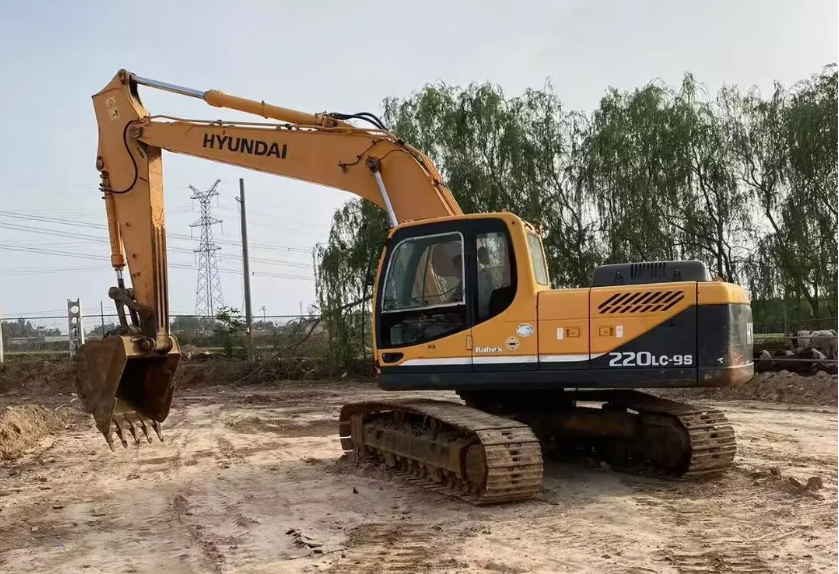
The undercarriage is another important area when inspecting an old excavator. Since excavators often work on uneven surfaces, tracks and related components experience continuous pressure.
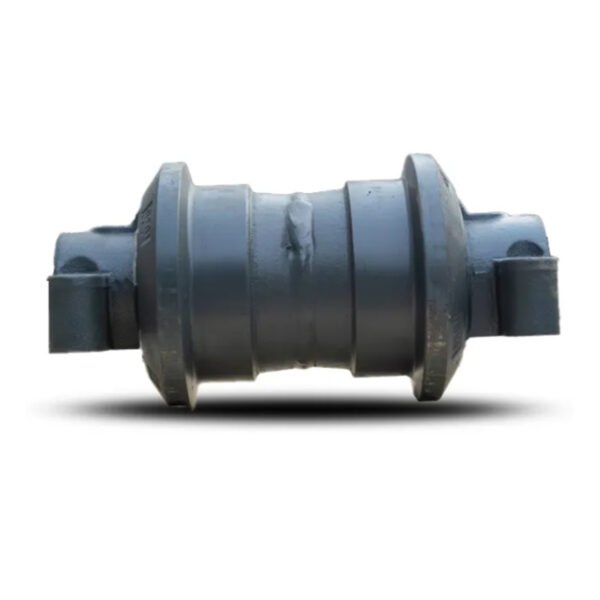
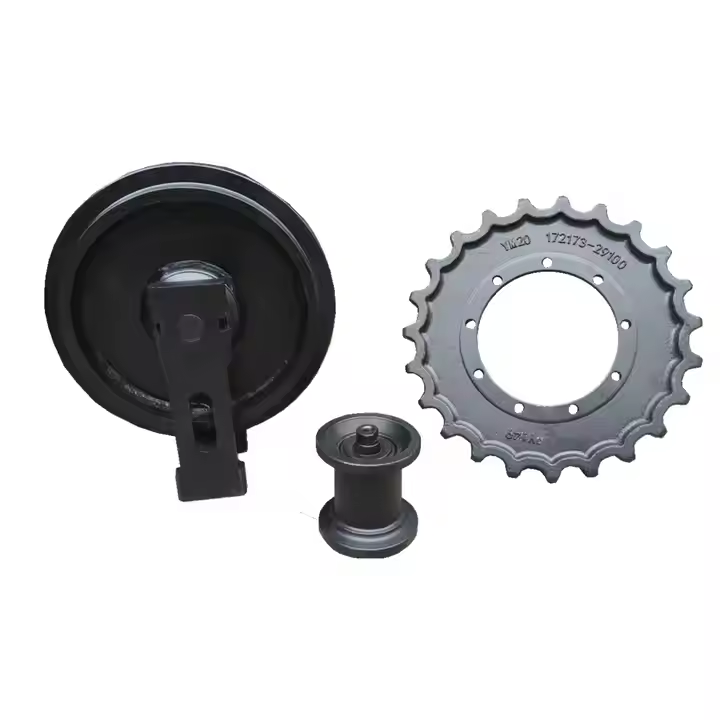
Check the condition of tracks, rollers, sprockets, and other undercarriage parts. These components influence machine stability, movement efficiency, and operating costs.
The main structure of the excavator should also be inspected carefully. Look at connection points, welding areas, and high-stress sections. Understanding the condition of these areas helps buyers estimate the machine’s remaining service value.
A detailed inspection before purchase can help ensure that the excavator is suitable for future working conditions.
Review Equipment Specifications and Match Them with Your Projects
Different projects require different excavator specifications. Before buying, compare the machine’s size, operating weight, digging depth, bucket capacity, and available attachments with your actual needs.
For contractors, choosing equipment that matches common project requirements can improve efficiency and reduce unnecessary operating challenges.
Consider future business development as well. A machine that can handle multiple applications may provide greater flexibility for different types of projects.
Reliable used equipment suppliers can help customers compare available models and select excavators that provide the best balance between performance and investment value.
Choose a Reliable Used Excavator Supplier for Better Purchasing Confidence
Purchasing an old excavator is not only about finding a machine at the right price. It is also about choosing a trustworthy supplier who understands equipment quality and customer requirements.
A professional supplier should provide detailed machine information, inspection support, and assistance throughout the purchasing process. This helps buyers reduce uncertainty and select equipment that better matches their working needs.
For customers looking for reliable used excavator solutions, THBSMN is a professional supplier worth considering. THBSMN provides used construction equipment options and focuses on helping customers find suitable machinery based on different application requirements. With professional equipment knowledge and service support, THBSMN helps businesses and operators make more confident equipment purchasing decisions.
Making a Smart Investment Through Careful Excavator Inspection
An old excavator can become a valuable asset when selected carefully. The key is understanding your project needs, checking important machine components, reviewing maintenance history, and working with a reliable supplier.
A proper inspection process helps buyers identify suitable equipment, improve operational efficiency, and prepare for future projects.
Whether you are expanding a construction business, starting a contracting operation, or adding equipment for agricultural and earthmoving work, taking the time to evaluate an excavator before buying can create long-term value and support business growth.