
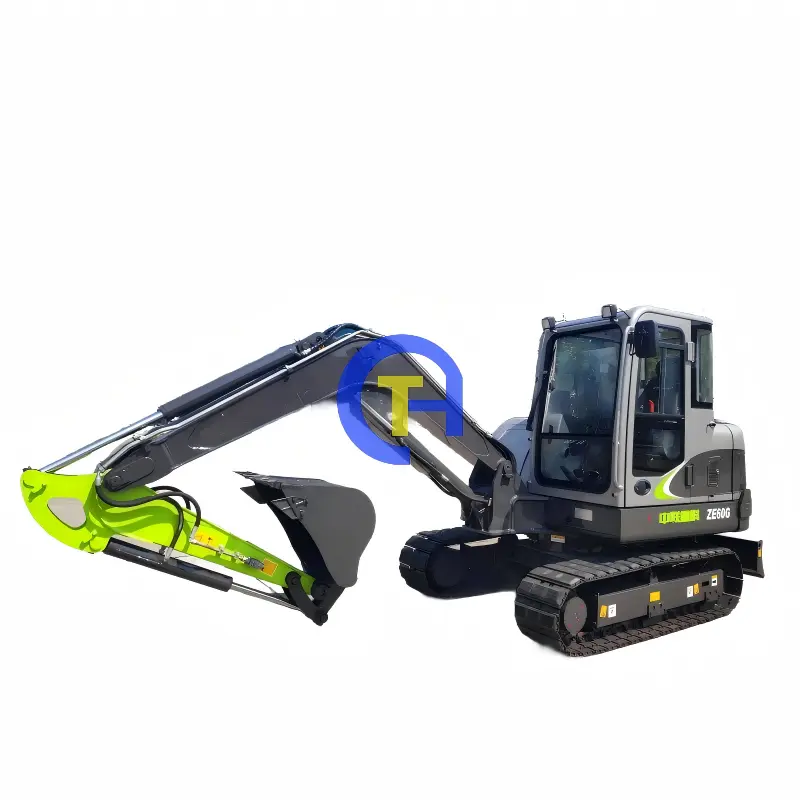
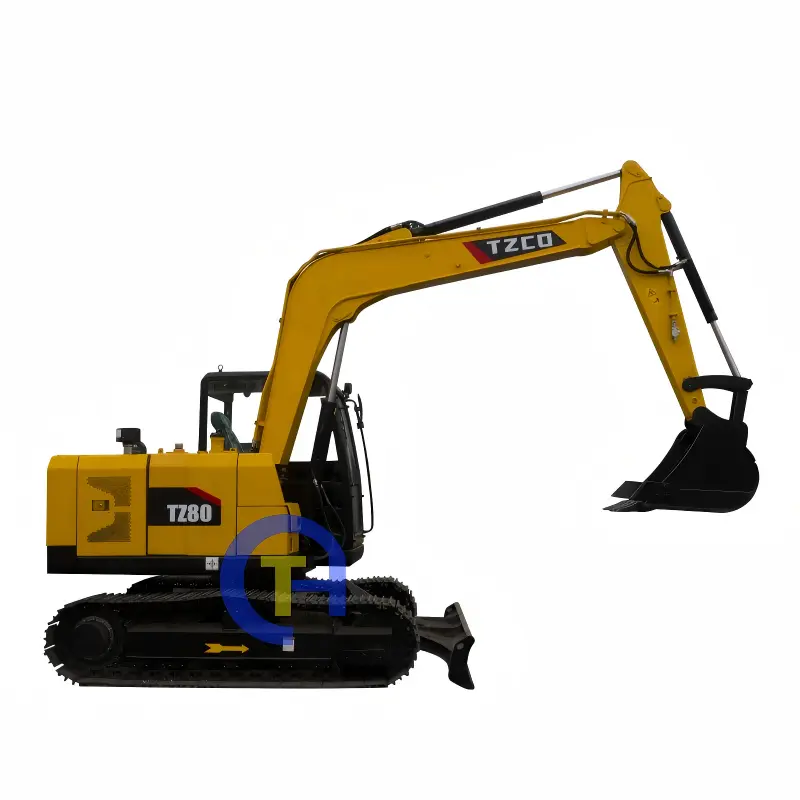

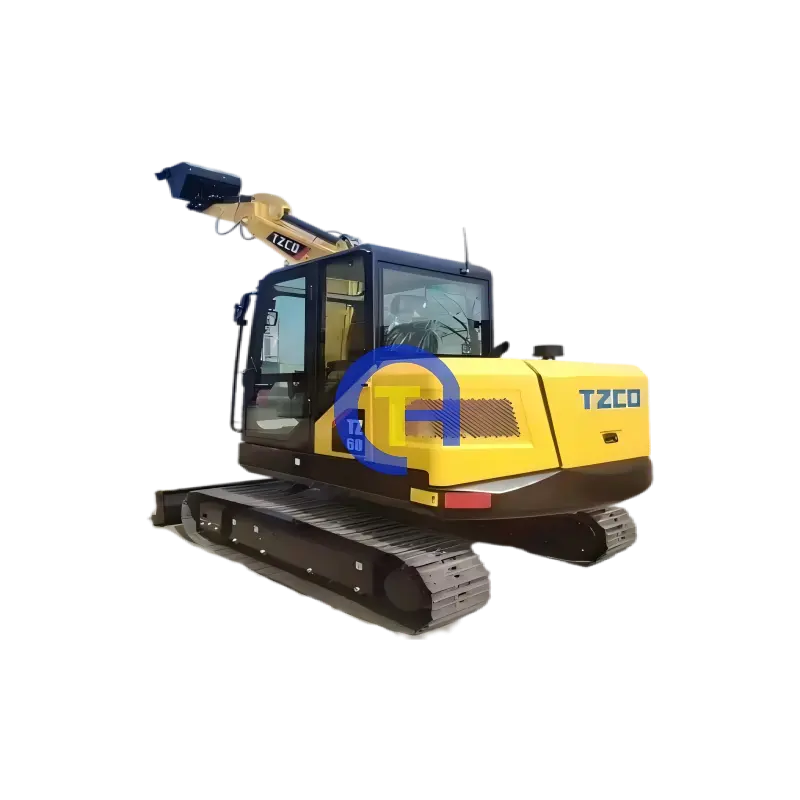

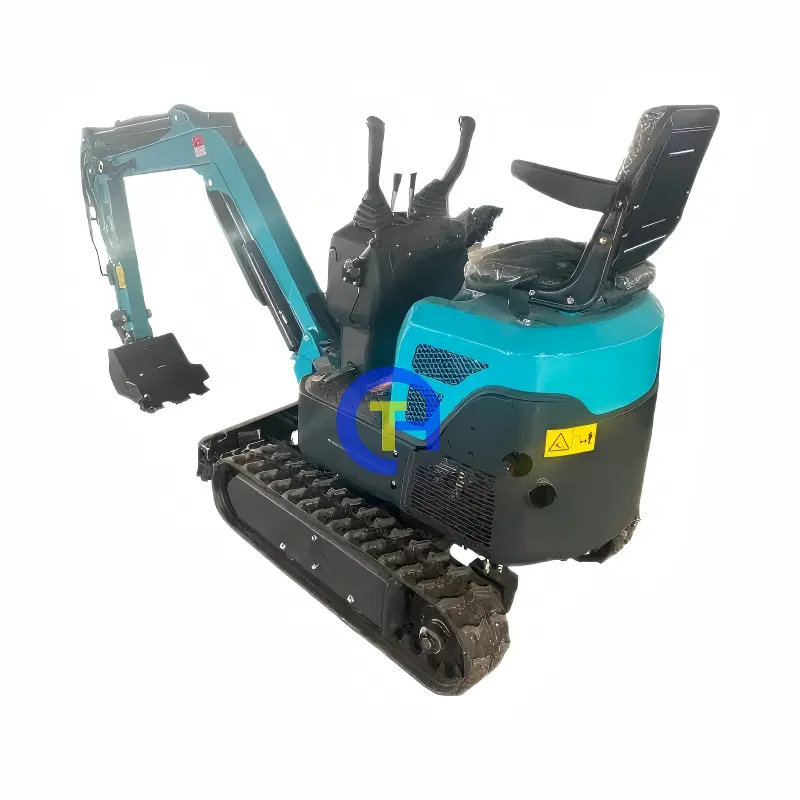

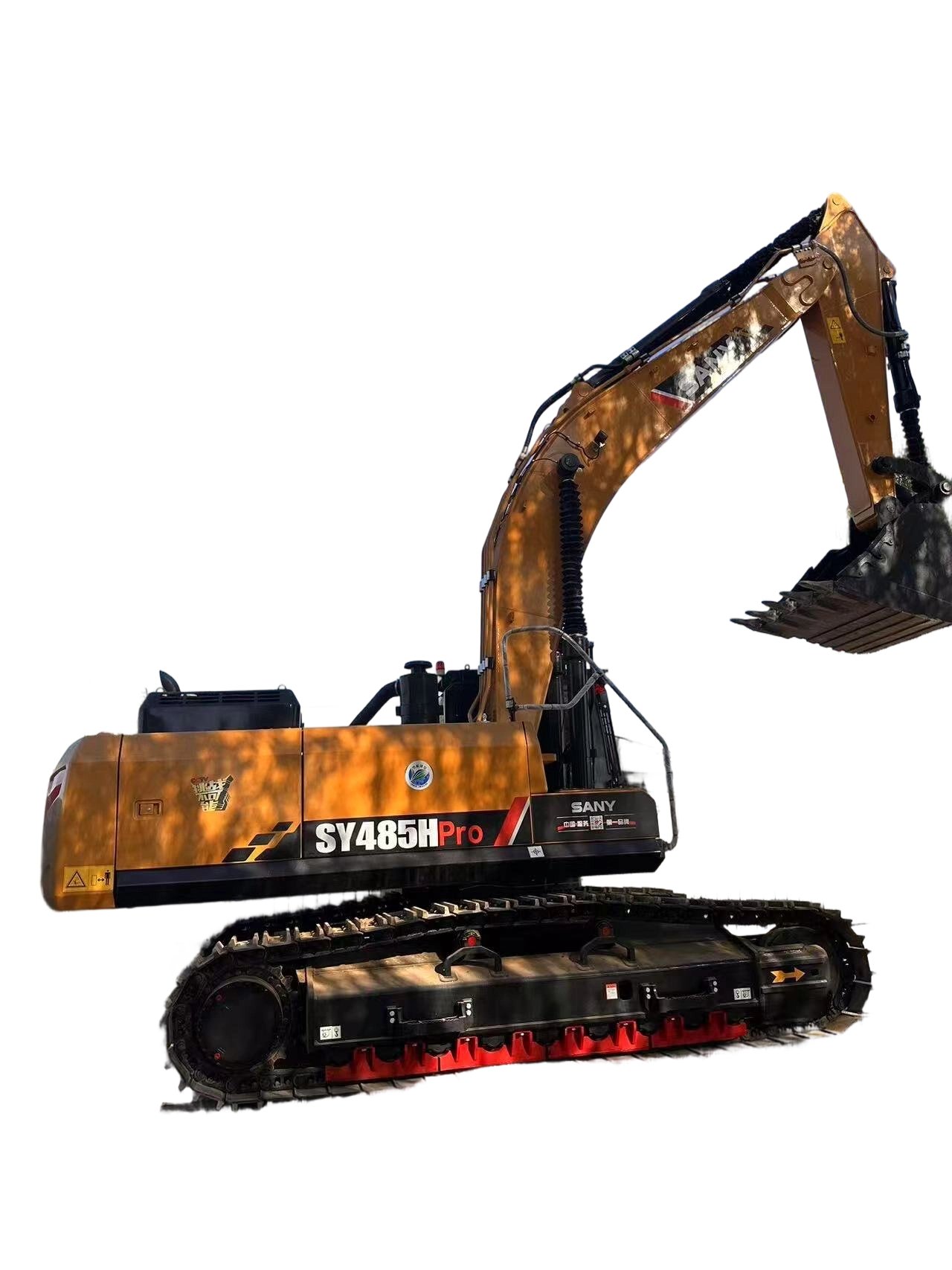
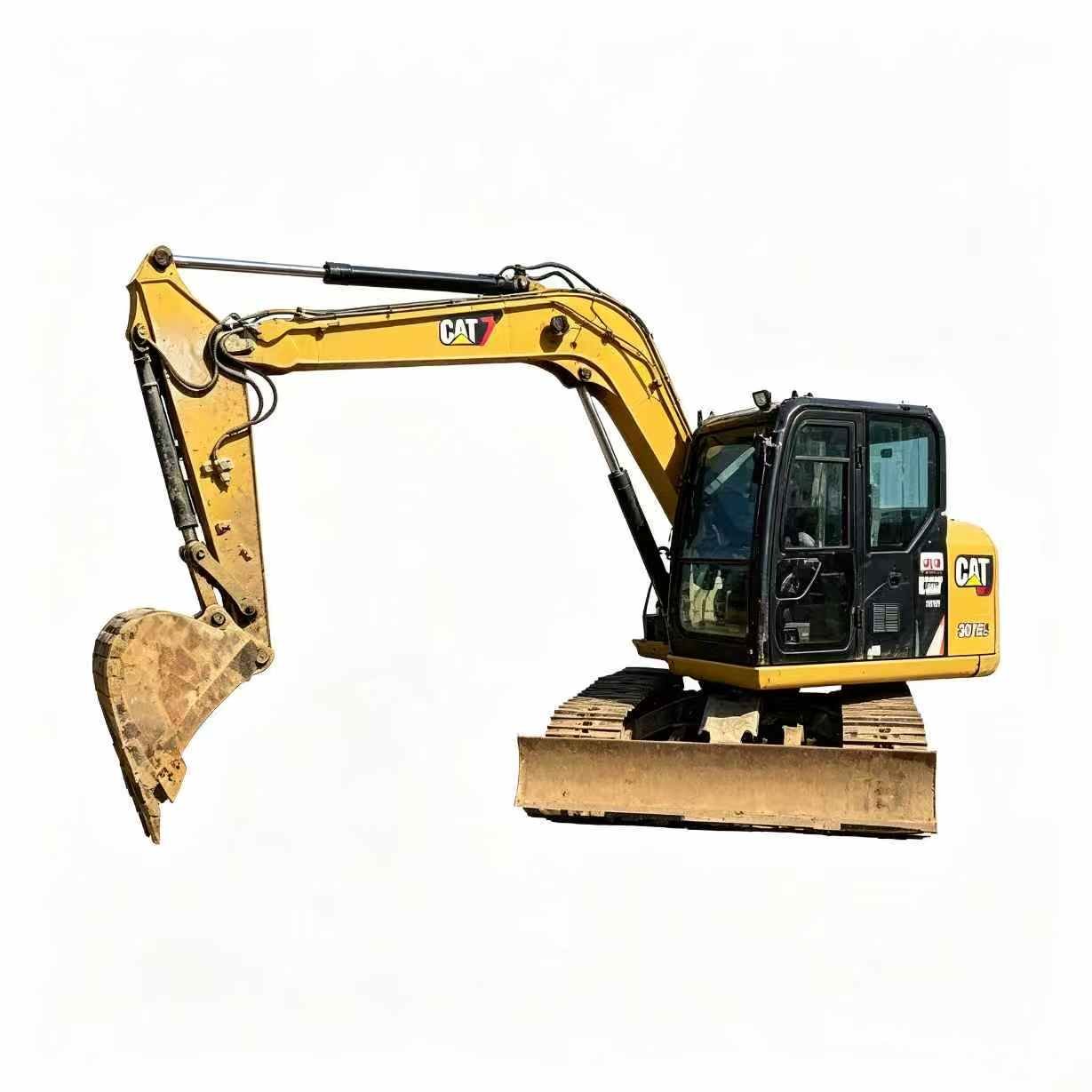
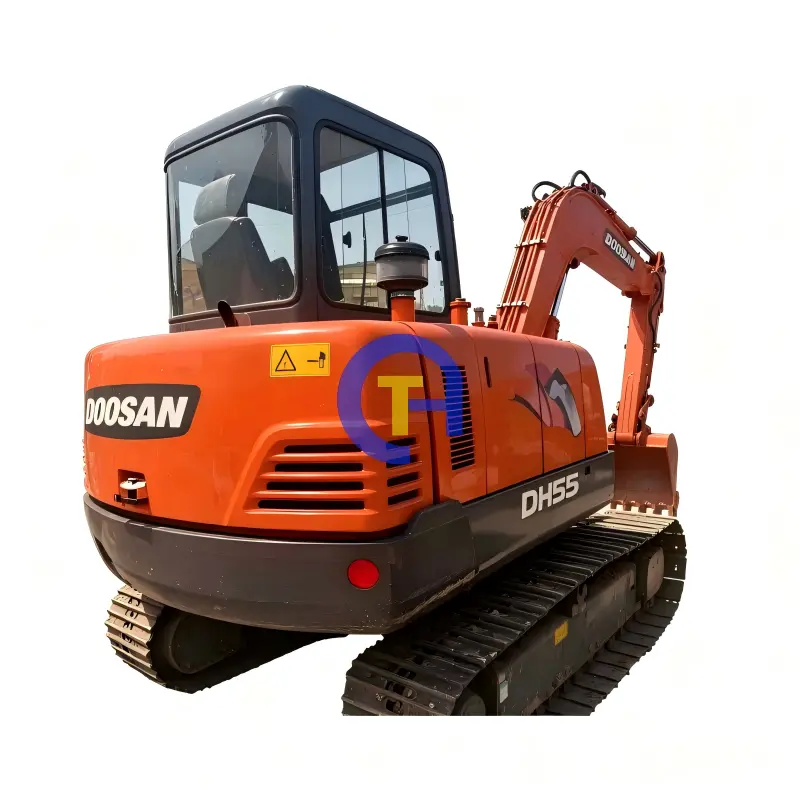
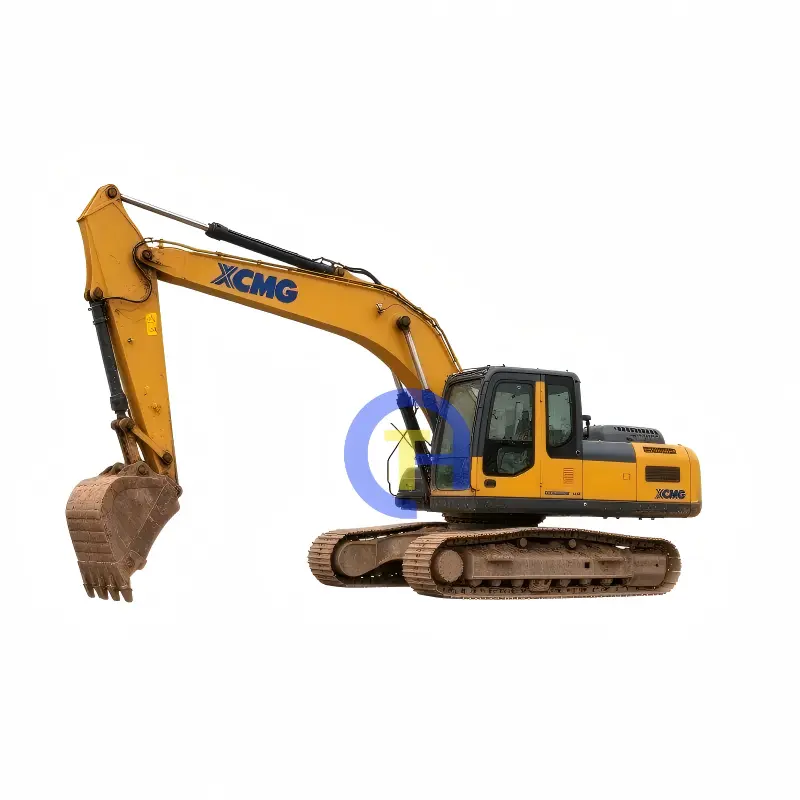
Brand & Model Comparison
Excavators: Types and Uses
Oct
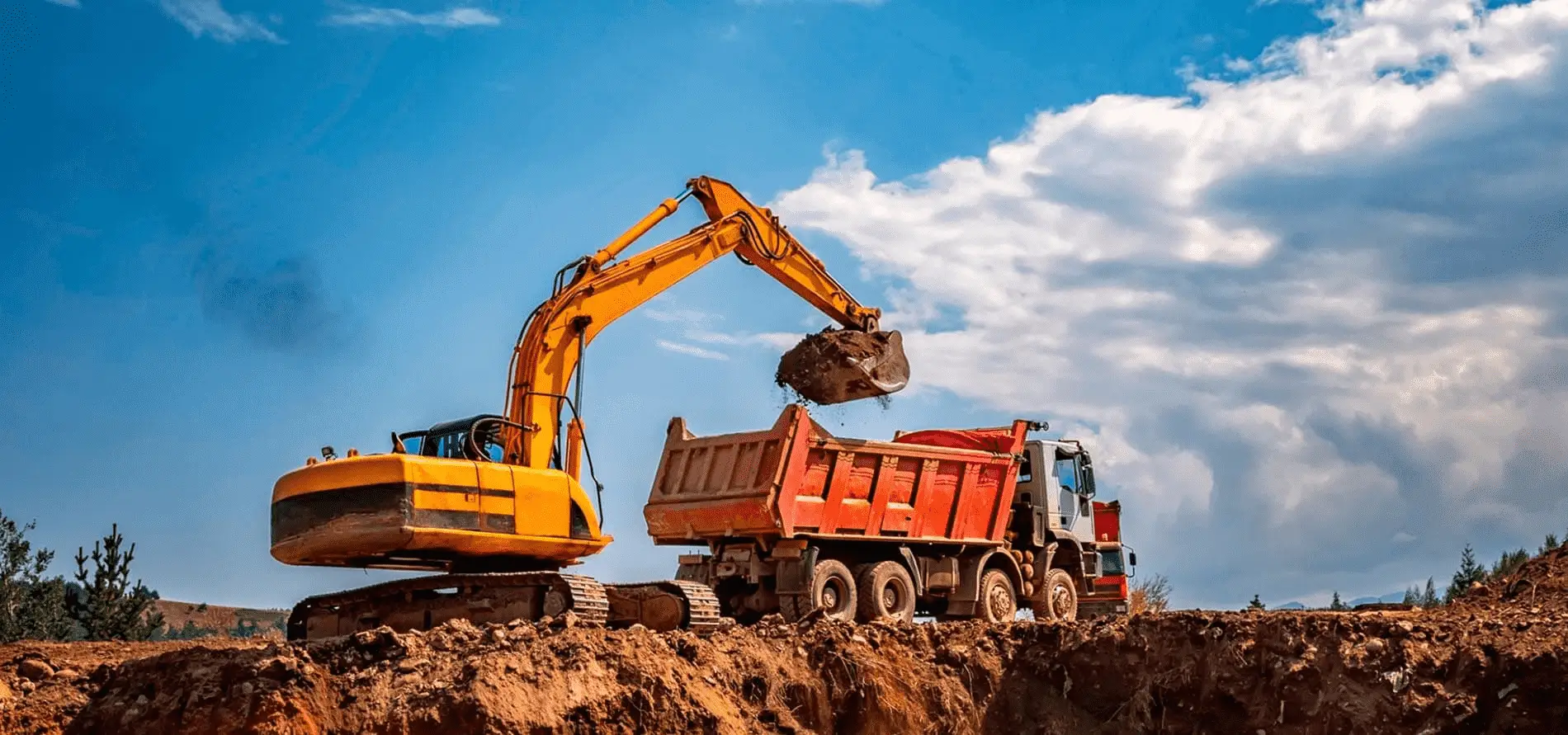
As one of the most important construction machines in modern projects, excavators are very common and necessary equipment. Usually, they have a bucket, an arm, a rotating cab and movable tracks. All these parts work together so that excavators can do different jobs. They can dig trenches, build channels, move earth and fill low areas.
Today, let’s talk about more types of excavators. Besides the common track excavators, we will look at other kinds, their features and uses.
1.Track Excavator
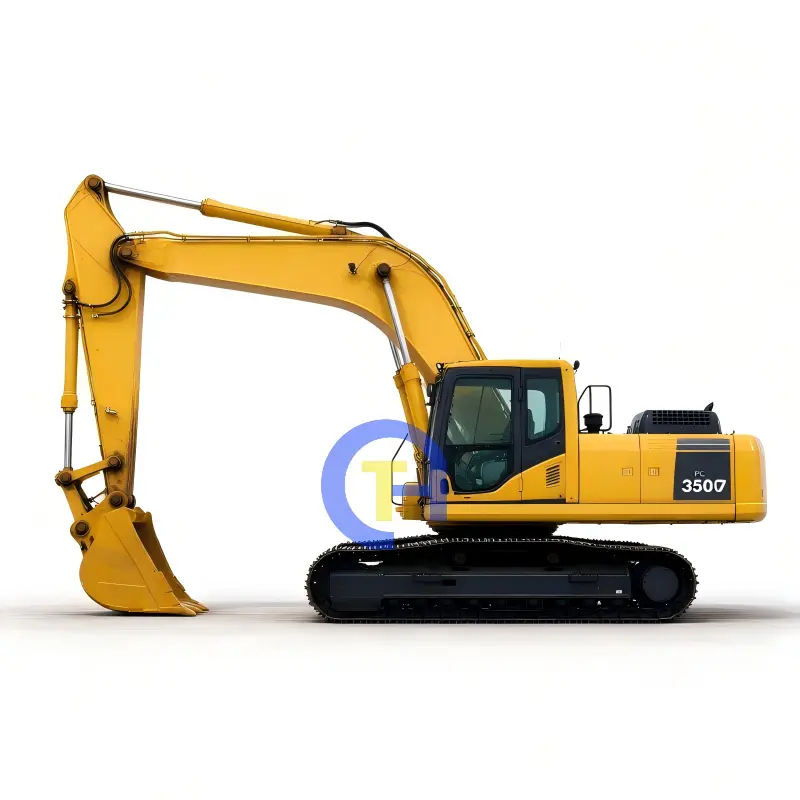
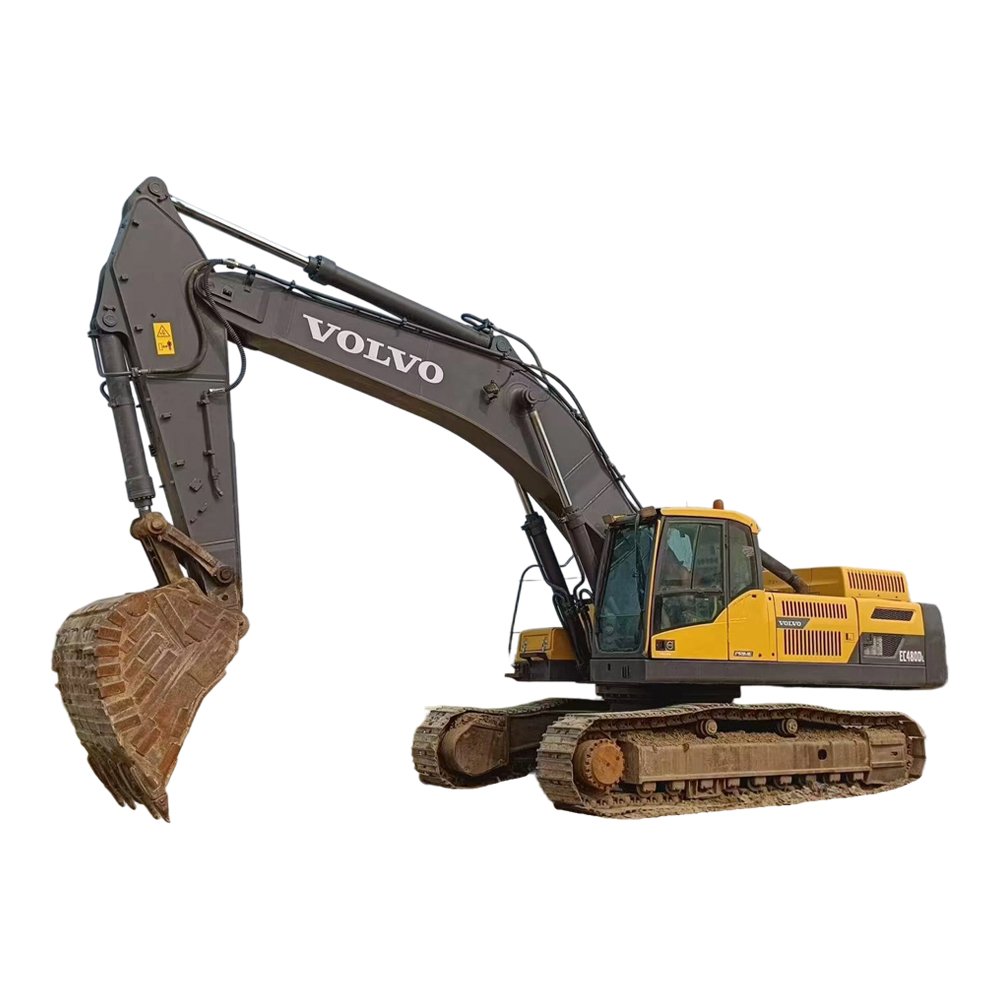
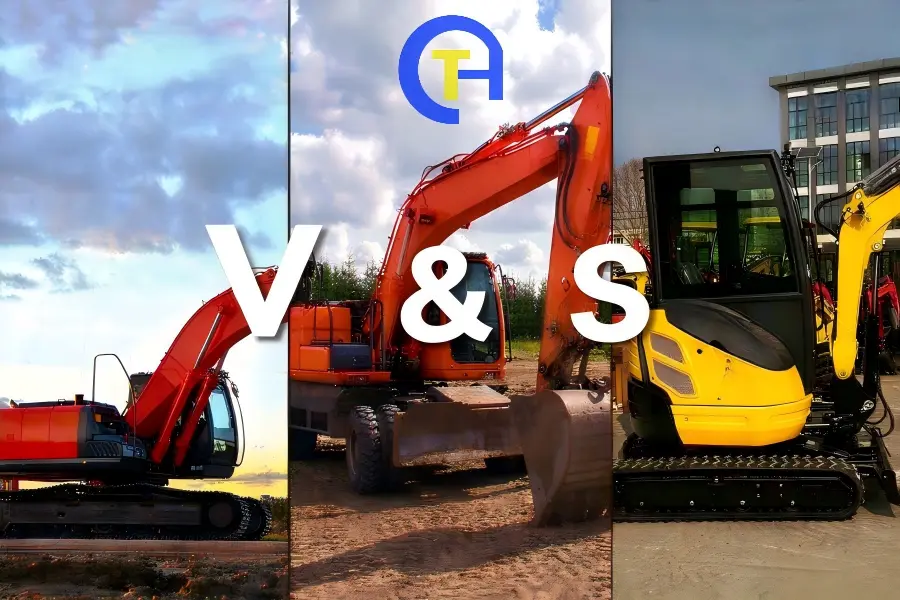
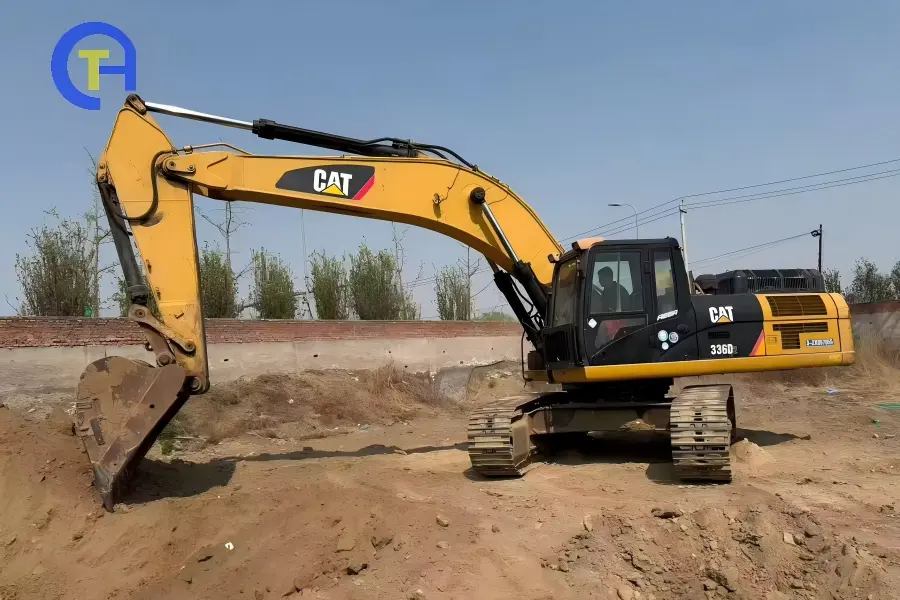 A track excavator moves with two endless loop tracks. It works well on many kinds of ground. So it is a key machine for open-pit mining, large infrastructure projects and earthwork work. Its working parts are mainly powered by a hydraulic system. With strong hydraulic power, it can dig soil, break big rocks, load materials and move earth for heavy work.
Its travel system uses sprockets to drive the tracks. It has strong grip on the ground. It moves safely downhill and can climb hills when conditions are safe. It is good for leveling land in hilly areas, shaping mountain sites, working on bumpy ground and clearing rough land.
Compared with wheeled excavators, track excavators run more slowly and are less easy to move around. But they work much better in difficult conditions. The tracks touch a large area of the ground, so they put less pressure on the ground. They do not sink easily in muddy, soft, rough or sloped places. They stay balanced and stable while digging, lifting and dumping earth, and they are not easy to slide or tip over.
Advantages:
The tracks cover a large ground area with low ground pressure. The machine keeps good balance and stability on muddy, soft and uneven ground. It can climb well and fit many different land conditions. It hardly gets stuck. It can dig and shape land freely in mountains, hills and outdoor work sites. The body shakes less when doing heavy work.
Disadvantages:
It runs slowly by itself. It is not efficient to move over long distances. It cannot travel long on hard paved roads. Tracks may damage road surfaces. It usually needs a trailer to move to another work site, so moving it takes more steps.
2.Wheeled Excavator
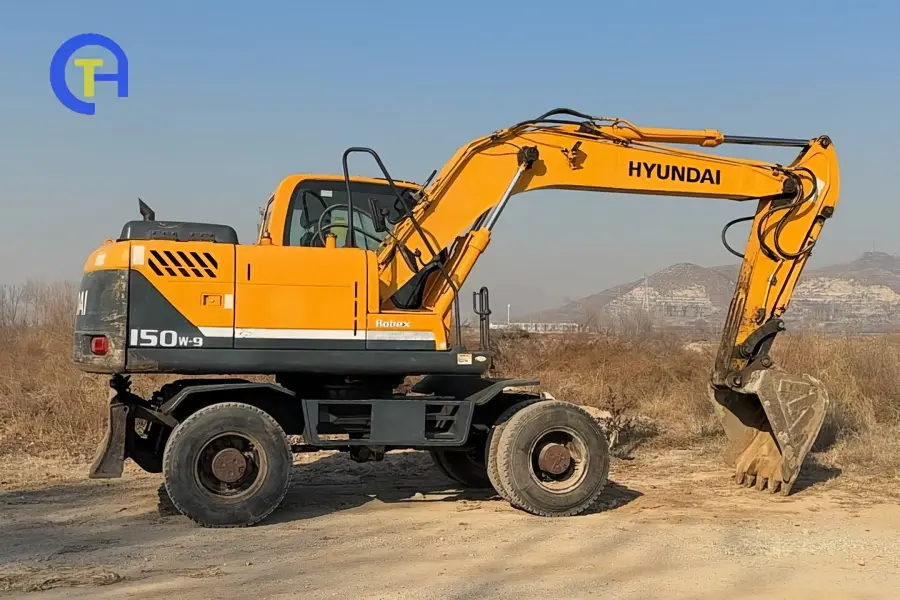 A wheeled excavator looks similar to a track excavator in shape, working parts and body size. They share the same main parts, such as boom, stick, bucket, rotating platform and cab. The biggest difference is the undercarriage. A wheeled excavator runs on rubber tires, while a track excavator moves on steel tracks.
Thanks to the tire design, wheeled excavators work better on concrete, asphalt and other flat hard ground than track excavators. They can run faster and move between work sites easily. They do not need a trailer for short-distance moving on roads. They have digging power close to track excavators of the same size. They can finish common work like digging earth, making pipe trenches and loading materials.
But tires also bring clear weak points. Tires touch only a small area of the ground, so they do not grip well. On soft muddy ground, slopes or rough bumpy land, they are much less stable than track excavators. They slip or tilt more easily, which brings higher safety risks. Because of this, wheeled excavators are mostly used for city projects, such as city pipe work, road rebuilding, urban greening and town maintenance.
To improve stability, wheeled excavators usually have foldable hydraulic outriggers. When the work place is partly paved and partly rough dirt road, or the ground cannot hold heavy weight, the operator can lower the outriggers. They hold up the machine, make the support wider, reduce the load on tires, keep the machine stable and lower the risk of tipping over.
Advantages:
- It runs fast on flat hard roads. It can move short distances by itself. It is flexible and saves transport cost, with no need for a trailer.
- Rubber tires will not scratch or break asphalt and concrete roads like steel tracks, so it fits construction on city paved roads.
- Its working power is close to track excavators of the same size. It can meet most common digging work needs.
Disadvantages:
- It is not stable on muddy, soft, bumpy or steep ground. It slips easily and its work is limited.
- It has poor off-road ability. It is not good for long-time work in mountains, wetlands or soft earth sites far from cities.
- It usually needs to put down outriggers to stay stable while working, so it needs more working space.
3.Mini Excavator
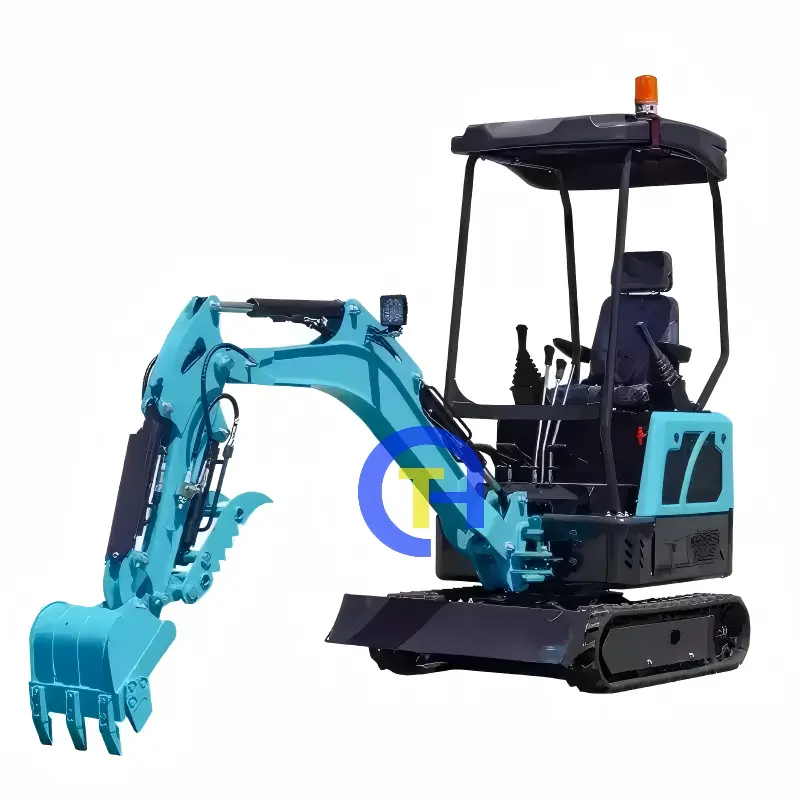
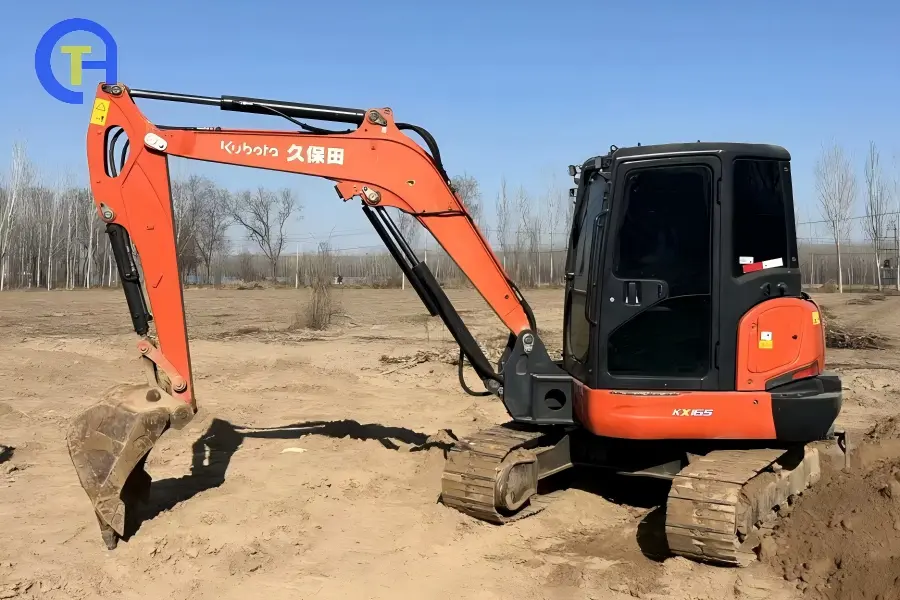 In recent years, more and more construction contractors choose mini excavators for their work. It is a light and small version of standard excavators. It has a smaller body and lighter weight. It causes much less damage to the ground when working. It fits well in tight places such as parking lots, narrow lanes, basements and indoor spaces. Mini excavators are also called compact excavators. Most of them have short-tail or zero-tail swing designs. They have a smaller turning radius and are easier to control. When they turn in limited space, they are less likely to hit walls, pipes, fences and other things around.
Advantages:
It is small and flexible. It can easily get into narrow areas that big excavators cannot reach. It can work indoors for demolition, dig trenches and rebuild yards. It is easy to move in closed or small sites. It does less harm to the original ground and plants.
Disadvantages:
Limited by its structure, hydraulic system and counterweight, it has a small rated load, low digging force and shallow digging depth. It can only handle small jobs with little earth and light loads. It is not fit for large earth digging or moving heavy rocks. Its working speed is slow on big construction sites.