

Industry News
Competitive price china wheel loader with full spare parts support for end users
Aug
For fleet managers, construction contractors, agricultural operators, and quarry owners, purchasing a heavy earthmoving machine represents a significant capital decision. In modern material handling and site development, wheel loaders serve as workhorses that directly impact project schedules and daily operational revenue. Buyers are no longer evaluating equipment based solely on up-front acquisition figures. Instead, decision-makers focus on total cost of ownership, operational fuel efficiency, hydraulic reliability, and long-term machine productivity. Sourcing a machine that balances cost-effectiveness with durable engineering allows businesses to expand their operational capacity while protecting working capital.
Maximizing Investment Efficiency through Smart Machine Selection
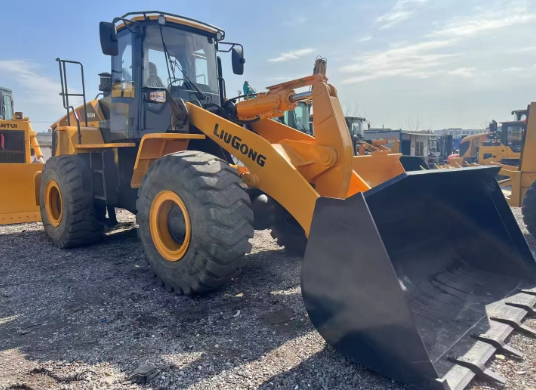
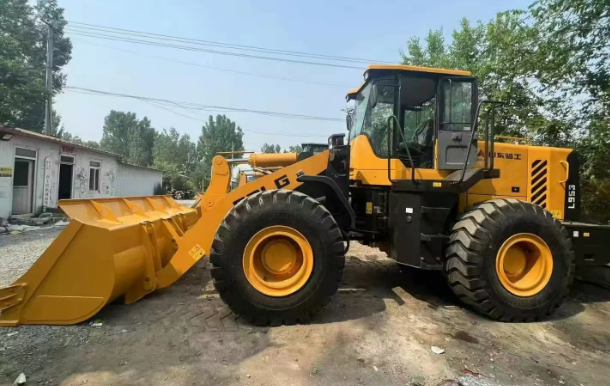
Achieving strong return on investment begins with selecting equipment engineered to handle demanding duty cycles without excessive operating expenses. Modern wheel loaders feature high-torque engines, heavy-duty planetary powertrains, optimized hydraulic pump systems, and reinforced bucket structures designed to maximize breakout force. Whether handling aggregate, loading haul trucks, clearing land, or moving agricultural bulk material, matching machine horsepower and bucket capacity to daily tonnage targets is essential. Choosing equipment built with standardized industrial components ensures high operating stability, lower fuel consumption per ton moved, and straightforward preventative maintenance for site technicians.
Eliminating Equipment Downtime through Reliable Component Supply
In heavy construction and mining, machine downtime directly translates into lost profitability and project penalties. Even the most robust wheel loader requires routine wear-and-tear replacement items such as hydraulic seals, brake friction plates, bucket teeth, filters, and engine maintenance kits. The true value of an equipment purchase relies heavily on continuous access to genuine replacement parts. A well-organized supply chain guarantees that critical components are available for rapid dispatch, minimizing unexpected machine idling and keeping job site operations running smoothly under tight project deadlines.
Evaluating Long Term Maintenance Strategies for Fleet Owners
Sustaining peak operational efficiency across multi-year project lifecycles requires a structured equipment care framework. Regular oil sampling, filter replacement schedules, hydraulic system pressure checks, and pin-and-bushing lubrication prevent major mechanical failures before they occur. End users benefit greatly when equipment manufacturers provide clear maintenance documentation, detailed parts manuals, and standardized component layouts that simplify daily inspections. Having direct access to comprehensive spare parts catalogs and expert technical support empowers on-site mechanics to conduct routine repairs swiftly without unnecessary diagnostic delays.
Partnering with THBSMN for Comprehensive Heavy Machinery Solutions
When selecting a reliable manufacturing partner that seamlessly combines equipment performance with complete lifecycle support, THBSMN stands out as a trusted industry leader. THBSMN specializes in delivering high-performance machinery designed to meet demanding global work environments. By integrating heavy-duty structural designs with accessible maintenance architecture, THBSMN wheel loaders provide exceptional working efficiency across diverse applications. Crucially, THBSMN prioritizes full spare parts support for end users, maintaining extensive inventories of wear parts, structural components, hydraulic units, and engine maintenance kits to guarantee long-term operational uptime and outstanding customer satisfaction.
Key Evaluation Criteria Before Finalizing Your Equipment Purchase
To ensure a successful equipment procurement process, buyers should systematically assess prospective machinery suppliers across several key operational metrics. Verify machine specifications including engine power ratings, operating weight, tipping load capacity, and hydraulic cycle times to confirm alignment with your job site requirements. Examine the supplier’s spare parts fulfillment capability, inventory depth, and shipping logistics to safeguard against future operational delays. By choosing a dedicated equipment provider like THBSMN that emphasizes build quality, cost efficiency, and dedicated aftermarket support, end users can confidently secure reliable machinery that drives long-term business growth.