

Industry News
Compare Mini Excavator Price, Choose Cost-Effective Mini Excavator
Aug
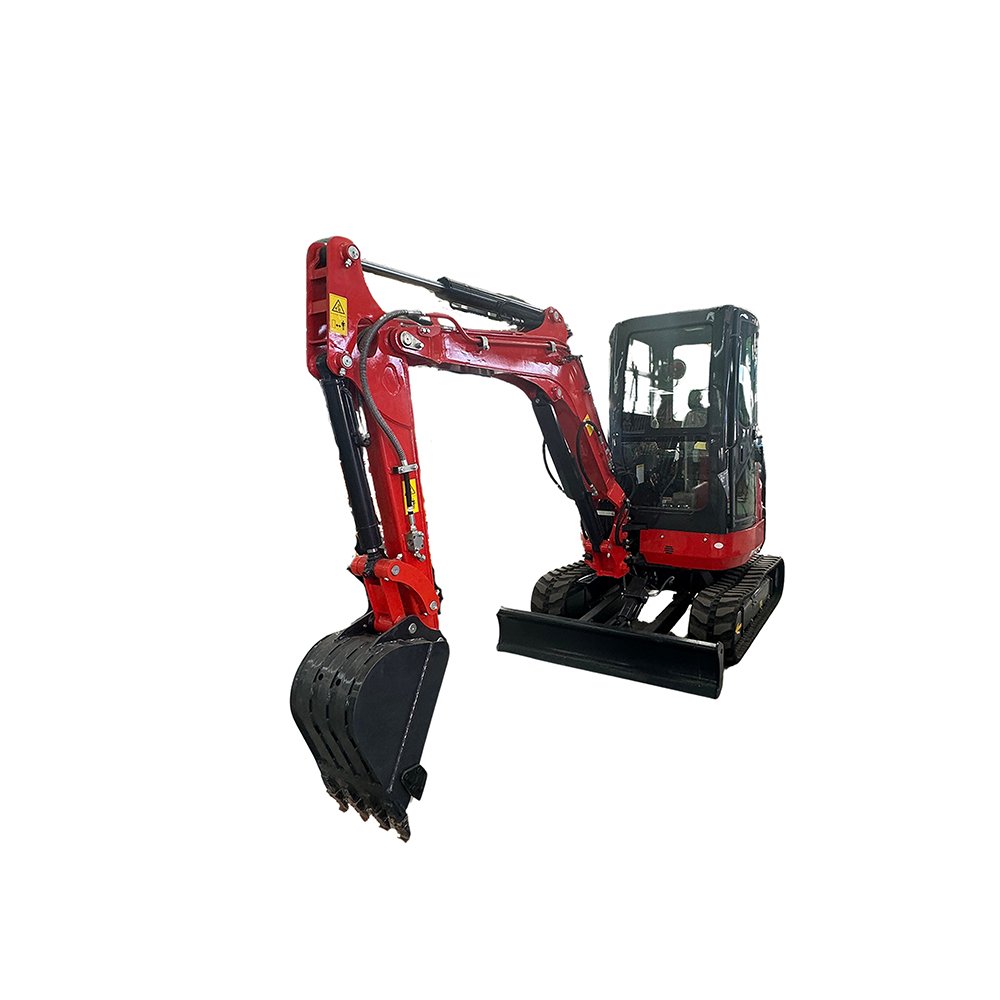
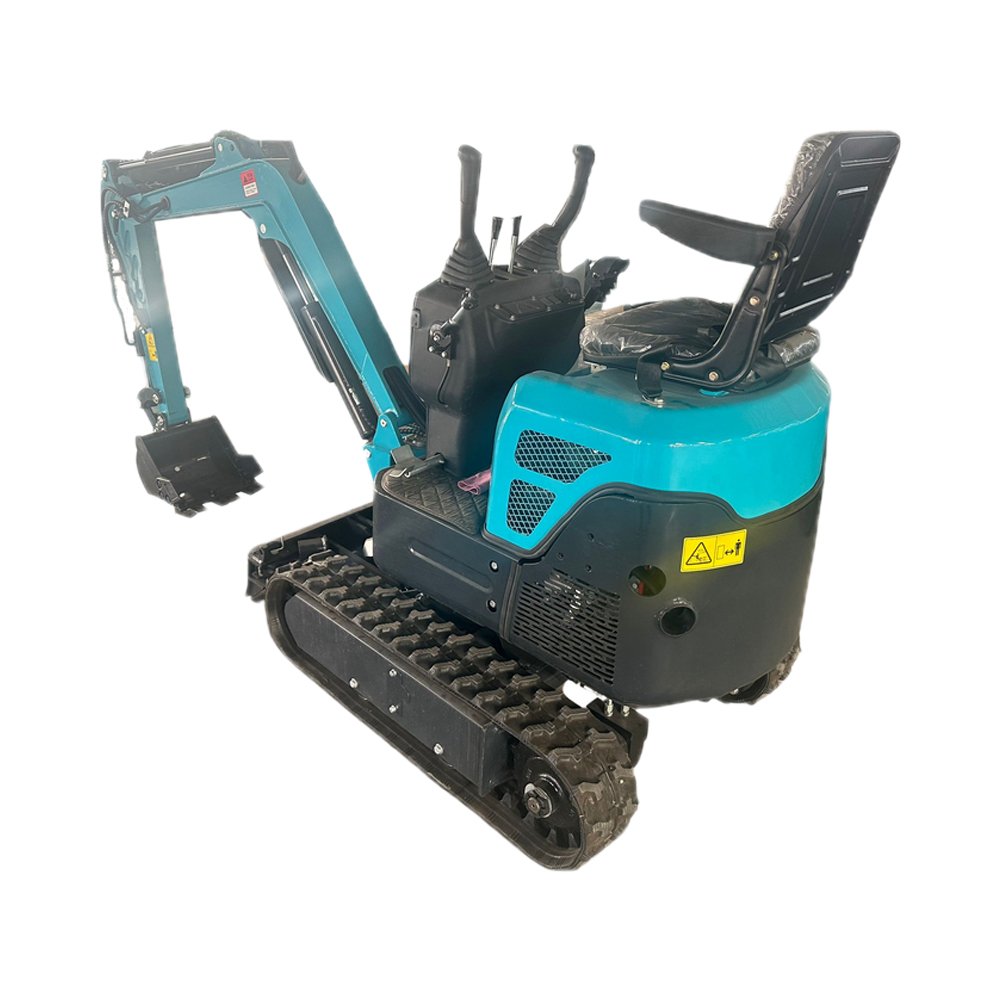
In modern construction, landscaping, agriculture, and municipal maintenance, mini excavators have evolved into an indispensable piece of equipment. Offering impressive hydraulic power in a compact footprint, these versatile earthmovers can easily navigate narrow residential gates, urban utility trenches, and tight job sites where full-size machinery simply cannot operate.
However, entering the market for a mini excavator often presents buyers with a wide array of price tags. Initial quote differences can range from a few thousand dollars to tens of thousands for machines that seemingly perform the same tasks. Navigating these price variations requires understanding what drives machine costs and knowing how to evaluate total value over time.
Key Factors Shaping Mini Excavator Prices
Understanding the purchase price of a mini excavator begins with looking under the hood and assessing the engineering features that impact manufacturing costs.
-
Operating Weight and Tonnage: Mini excavators are primarily categorized by weight, ranging from micro units (0.8 to 1.5 tons) up to larger compact units (5 to 6 tons). Naturally, heavier tonnage demands larger steel structures, more powerful engines, and heavier-duty undercarriages, directly driving up the base purchase cost.
-
Engine Brand and Power Systems: The core power plant plays a major role in overall pricing. Premium, world-renowned engines—such as Yanmar, Kubota, or Perkins—offer excellent fuel efficiency, emission compliance (Tier 4 Final / Stage V), and worldwide parts availability, but they also carry a higher initial investment.
-
Hydraulic System Sophistication: Hydraulic efficiency dictates how smoothly and forcefully an excavator can dig, swing, and drive. Advanced load-sensing hydraulic systems, pilot joystick controls, and dual auxiliary lines for heavy-duty attachments increase costs upfront but deliver better operational productivity.
-
Operator Comfort and Canopy Configuration: Choosing an open canopy with ROPS/FOPS protection keeps prices down, whereas an enclosed, soundproofed cabin featuring air conditioning, heating, and ergonomic suspension seating adds to the final invoice.
Baseline Price Ranges Across Weight Classes
To set a clear baseline for cost evaluation, new mini excavators generally fall into distinct price brackets based on size and feature specifications:
| Weight Category | Typical Operating Weight | Average Price Range (USD) | Primary Applications |
| Micro / Compact | 0.8 Ton – 1.5 Tons | $7,500 – $16,000 | Backyard landscaping, interior demolition, utility trenching |
| Small Mini | 1.8 Tons – 2.5 Tons | $14,000 – $28,000 | Residential construction, drainage pipes, foundation digging |
| Mid-Sized Mini | 3.0 Tons – 4.0 Tons | $24,000 – $42,000 | Roadwork, commercial landscaping, utility line installation |
| Large Compact | 5.0 Tons – 6.0+ Tons | $38,000 – $65,000+ | Heavy earthmoving, site clearing, forestry and demolition |
Looking Beyond Purchase Price: Total Cost of Ownership
Focusing solely on the sticker price is one of the most common mistakes a equipment buyer can make. True cost-effectiveness is determined by the Total Cost of Ownership (TCO) over the machine’s 5 to 10-year service life.
-
Fuel and Energy Efficiency: An inexpensive machine with an inefficient engine can burn through thousands of extra dollars in diesel over a few seasons. Modern, fuel-optimized engines significantly lower daily operational expenditure.
-
Maintenance and Spare Part Accessibility: Low-maintenance designs featuring accessible filter layouts, durable track systems, and easily sourced spare parts protect you from costly downtime. High replacement part costs can rapidly destroy any initial purchase savings.
-
Structural Durability and Lifespan: A high-value excavator utilizes reinforced boom structures, heavy-duty pins/bushings, and high-strength steel plates. Subpar steel or weak welds lead to premature cracking and costly structural repairs.
-
Attachment Versatility: A machine equipped with quick-hitch couplers and dual-direction auxiliary hydraulics allows operators to swap between buckets, hydraulic breakers, augers, and grapples easily. Multi-functionality maximizes machine utilization rates, accelerating your return on investment (ROI).
Finding the Right Supplier Balance: The THBSMN Advantage
When balancing strict budget requirements with performance and durability standards, supplier selection becomes critical. Emerging global machinery brands have transformed the market by offering robust, high-performance equipment at highly competitive price points.
Leading the way in cost-effective machinery solutions, THBSMN provides high-performance mini excavators built to meet international standards without unnecessary overhead markups. THBSMN focuses on core functional priorities:
-
Field-Proven Powertrains: Integrating reliable, fuel-efficient engines that comply with strict emission standards while delivering strong breakout forces.
-
Precision Hydraulics: Utilizing smooth pilot controls and responsive hydraulic pumps to ensure precise bucket control for demanding operators.
-
Heavy-Duty Construction: Built with reinforced undercarriages, high-grade steel booms, and wear-resistant components engineered for harsh working environments.
-
Direct Value Pricing: By streamlining manufacturing and supply chains, THBSMN delivers premium operational features at a price point that significantly reduces overall investment payback time.
For contractors, rental businesses, and property owners seeking maximum utility per dollar spent, THBSMN delivers an ideal balance of upfront affordability and long-term operating reliability.
Practical Steps to Choose Your Cost-Effective Mini Excavator
To ensure you make a smart investment that meets your operational demands, follow this step-by-step decision checklist before signing a purchase order:
-
Match Tonnage to Job Requirements: Calculate your required digging depth, reach, and lifting capacity. Avoid buying a machine larger than necessary, as excess weight increases transport trailer costs and fuel consumption.
-
Evaluate Hydraulic Capabilities: Confirm the hydraulic flow rate (GPM/LPM) matches any hydraulic attachments you plan to run, such as augers or flail mowers.
-
Inspect Service Points: Ensure daily inspection points (engine oil dipstick, air filter, hydraulic sight glass, grease points) are easy to reach from ground level.
-
Compare Warranty and Support: Verify warranty terms and confirm the supplier provides reliable spare parts availability to avoid long-term operational delays.
By carefully weighing these performance factors against long-term maintenance costs, you can select a cost-effective mini excavator that delivers exceptional site productivity and lasting value for years to come.