

Industry News
Best Tips for Buying a Reliable Old Excavator
Aug
Buying an old excavator can be a practical decision for construction companies, contractors, agricultural businesses, and independent operators who want reliable equipment while managing investment costs. However, choosing the right machine requires more than simply looking at price. The excavator must match your actual working requirements, job conditions, and long-term operating plans.
Before purchasing, consider what type of work the excavator will handle. Different projects require different machine sizes and capabilities. Landscaping projects, farm work, trench digging, road construction, demolition, and heavy earthmoving all have different requirements for digging depth, lifting capacity, operating weight, and attachment compatibility.
A machine that fits your daily workload can improve productivity and reduce unnecessary operating expenses. Many buyers focus only on purchasing costs, but the right excavator should also provide value through fuel efficiency, maintenance convenience, and working reliability over time.
A successful purchase starts with understanding your business needs and selecting an excavator that can support your future projects.
Check Excavator Condition Instead of Focusing Only on Age
One of the most important factors when buying an old excavator is understanding its actual condition. The manufacturing year provides useful information, but maintenance history, operating environment, and previous usage often have a greater influence on machine performance.
A well-maintained older excavator can continue providing excellent service when key components have been properly cared for. Buyers should review available service records, repair history, and previous usage information before making a decision.
During inspection, pay attention to important areas such as the engine, hydraulic system, undercarriage, boom, arm, bucket connection, and overall structure. These components directly affect working efficiency and future maintenance requirements.
A professional evaluation before purchase can help buyers understand the machine’s real condition and make a more confident investment decision.
Inspect the Hydraulic System for Reliable Performance
The hydraulic system is one of the most important parts of an excavator because it controls digging power, lifting ability, and operating smoothness.
When checking an old excavator, test how quickly and smoothly the machine responds during different movements. Pay attention to arm movement, bucket operation, swing function, and lifting performance.
A reliable hydraulic system should provide consistent power without unusual performance changes. Buyers should also inspect hydraulic lines, cylinders, and connections to ensure the system is operating properly.
For construction companies, hydraulic performance directly influences daily productivity. A machine with stable hydraulic operation can complete tasks more efficiently and reduce unnecessary downtime.
Evaluate Engine Performance and Maintenance Records
The engine is the core power source of an excavator. A reliable engine helps ensure stable operation, better fuel efficiency, and longer service life.
When viewing an old excavator, check the engine startup process, operating sound, temperature performance, and maintenance history. Regular service records provide valuable information about how the machine was maintained.
Buyers should consider not only current engine performance but also future ownership costs. An excavator with proper maintenance history can provide better long-term value compared with a machine selected only based on a lower purchase price.
Working with experienced equipment suppliers can also help buyers access machines with clearer backgrounds and professional inspection support.
Pay Attention to Undercarriage and Structural Components
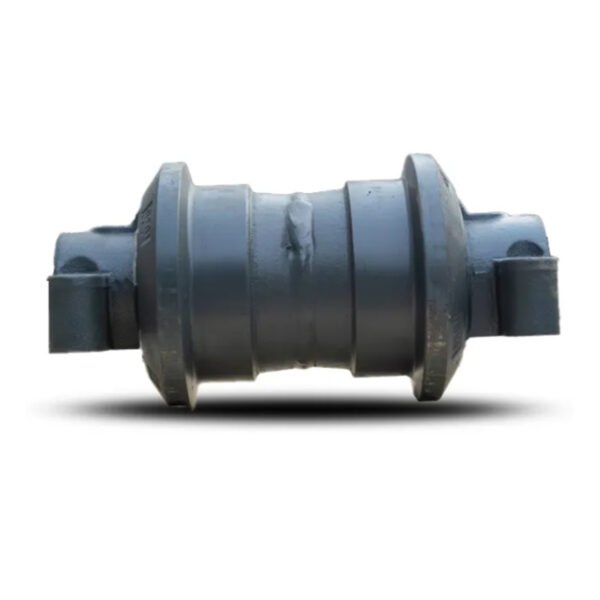
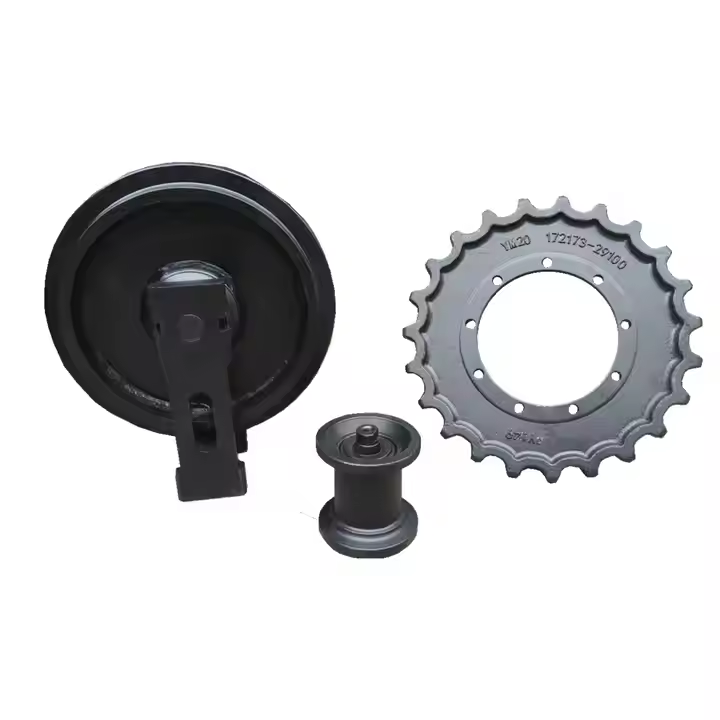
The undercarriage is another important area that directly affects excavator performance and operating costs. Components such as tracks, rollers, sprockets, and frames experience significant stress during daily work.
Before purchasing, carefully examine wear conditions and overall structural quality. The condition of the undercarriage can influence future maintenance expenses and machine stability.
The boom, arm, and bucket connection areas should also be inspected because these parts handle heavy working forces during excavation operations.
A careful inspection allows buyers to better estimate the remaining service value of the excavator and avoid unexpected maintenance planning issues.

Choose the Right Supplier for a More Secure Purchase
The supplier you choose can greatly influence the buying experience. A reliable equipment supplier should provide clear product information, professional communication, and support throughout the purchasing process.
For businesses purchasing used construction equipment internationally, supplier experience is especially important. Buyers often need assistance with machine selection, condition evaluation, transportation arrangements, and after-sales communication.
THBSMN provides used excavator solutions for customers looking for practical and cost-effective construction equipment options. With experience in equipment supply and customer support, THBSMN helps buyers find excavators suitable for different project requirements.
Choosing a professional supplier allows customers to make purchasing decisions with greater confidence and improve the efficiency of equipment investment.
Consider Operating Costs Beyond the Purchase Price
A common mistake when buying an old excavator is focusing only on the initial price. The real cost of ownership includes maintenance, fuel consumption, spare parts, transportation, and daily operating efficiency.
A machine with reasonable purchase pricing and good operating condition can provide stronger long-term value. Buyers should evaluate the total ownership cost rather than making decisions based only on upfront investment.
The best excavator choice is one that balances purchase budget, working capability, maintenance needs, and future business plans.
For contractors and companies, choosing equipment with strong reliability can directly improve project scheduling and profitability.
Test the Excavator Before Making the Final Decision
Whenever possible, buyers should operate the excavator before purchase. A working test provides valuable information that cannot always be identified through photos or basic descriptions.
During testing, evaluate control response, digging performance, movement coordination, and operator comfort. Smooth operation usually indicates that major systems are working together effectively.
If purchasing remotely, request detailed machine information, operation videos, inspection reports, and maintenance documentation from the supplier. This helps create a clearer understanding of the equipment before final confirmation.
Make a Smart Investment With the Right Excavator Choice
An old excavator can become a valuable business asset when selected carefully. The key is not simply finding a low-priced machine but choosing equipment that matches your work requirements and provides dependable performance.
By evaluating machine condition, checking important components, understanding operating costs, and working with a professional supplier, buyers can improve their chances of finding a reliable excavator.
For companies and contractors looking for used excavator solutions, THBSMN offers equipment support designed around practical construction needs. A carefully selected excavator can help businesses complete projects efficiently and create long-term operational value.