

Industry News
2nd Hand Excavator How To Check Engine & Hydraulics Before Final Purchase
Jul
Buying a 2nd hand excavator can be a practical choice for construction companies, landscaping businesses, agricultural projects, and independent contractors. Compared with purchasing new equipment, a used excavator can provide a cost-effective solution for businesses that need reliable machinery for daily operations.
However, the condition of the engine and hydraulic system directly affects the excavator’s working performance, operating efficiency, and future maintenance needs. A machine may look clean from the outside, but the real working condition depends on the internal components that provide power and movement.
For example, a contractor purchasing an excavator for road repair projects needs equipment that can work continuously on different job sites. If the engine cannot deliver stable power or the hydraulic system cannot provide smooth operation, daily productivity may be affected.
Before making the final purchase decision, buyers should carefully inspect the engine and hydraulic system to understand the machine’s actual condition and make a more confident investment.
Check the Excavator Engine Condition Before Purchase
The engine is the power source of an excavator. A healthy engine should provide stable performance, smooth operation, and reliable power output during different working conditions.
Before purchasing a used excavator, buyers should start with a visual inspection. Check the engine compartment for signs of regular maintenance, cleanliness, and overall condition.
Important areas to review include:
Engine oil condition
Coolant level
Oil leakage signs
Exhaust appearance
Engine sound
A simple engine start test can provide valuable information. When starting the excavator from a cold condition, pay attention to how quickly the engine starts and whether the operation remains stable.
During testing, buyers can observe:
Whether the engine starts smoothly
Whether there are unusual vibrations
Whether the engine maintains consistent speed
Whether power output changes under load
For example, when the excavator moves heavy materials or performs digging operations, the engine should maintain stable power without significant performance changes.
It is also important to check maintenance records if available. Regular servicing information can help buyers better understand the machine’s operating history and maintenance condition.
Test Engine Performance Under Real Working Conditions
A used excavator should not only be checked while standing still. The machine should be tested through actual working movements.
A practical inspection may include:
Starting and stopping the engine multiple times
Operating the boom, arm, and bucket
Driving on different surfaces
Performing digging movements
Testing work under different loads
Real operating conditions can reveal details that are not visible during a simple inspection.
For example, an excavator used for construction foundations needs strong digging performance and stable power delivery. Testing the machine during excavation can help buyers understand whether the engine and related systems can handle daily workloads.
Listening carefully during operation is also important. Smooth engine operation usually indicates good maintenance practices and proper system performance.
Inspect the Hydraulic System for Smooth Operation
The hydraulic system is one of the most important parts of an excavator because it controls movement, lifting ability, and working efficiency.
A reliable hydraulic system should provide smooth and responsive operation when controlling the boom, arm, bucket, and other attachments.
During inspection, buyers should check:
Hydraulic oil condition
Hydraulic hose condition
Cylinder performance
Movement speed
Operating response
A hydraulic test should include repeated movements of different functions. For example, lift the boom, extend the arm, and operate the bucket several times to observe whether movements remain smooth.
A well-performing hydraulic system should respond quickly without unnecessary delays. Consistent movement is especially important for businesses using excavators for precision tasks such as landscaping, trenching, and site preparation.
Check Hydraulic Components and Connections Carefully
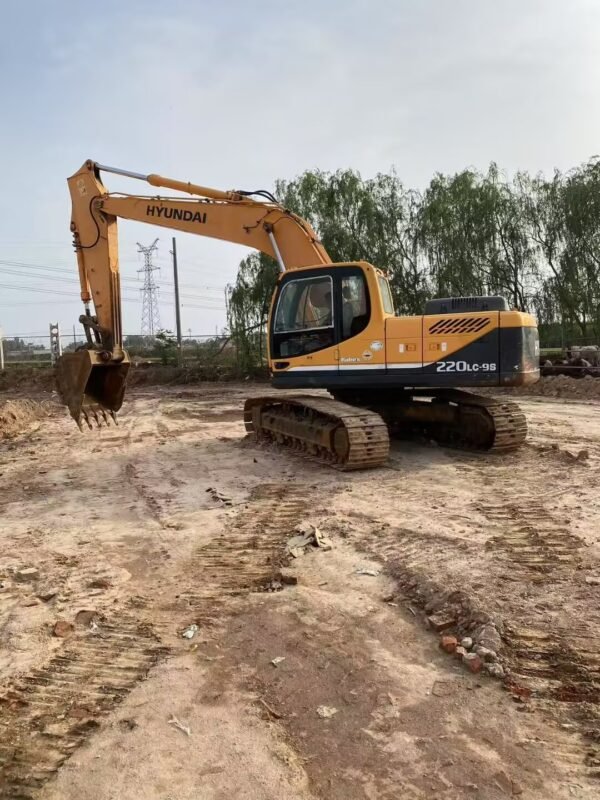
Small hydraulic components can have a major impact on excavator performance. Before finalizing a purchase, buyers should carefully inspect visible hydraulic parts.
Pay attention to:
Hydraulic hoses
Cylinder surfaces
Connection points
Hydraulic oil levels
Attachment connections
The hydraulic cylinders should operate smoothly, and the connection areas should be properly maintained.
For contractors who use excavators every day, reliable hydraulic performance helps improve work efficiency. Whether moving soil, lifting materials, or preparing construction areas, smooth hydraulic control makes operation easier and more accurate.
Compare Machine Usage with Your Project Requirements
Every buyer has different working needs. A suitable used excavator depends on the type of projects, working environment, and expected workload.
Before purchase, consider:
Required digging depth
Machine size requirements
Daily working hours
Attachment compatibility
Transportation needs
For example, a small landscaping company may need a compact excavator for garden projects and narrow spaces, while a construction contractor may require a larger machine for heavy excavation work.
Understanding your application helps you select a machine that matches your business instead of simply choosing based on appearance or price.
Choose a Reliable Used Excavator Supplier
The supplier you choose can significantly influence the purchasing experience. A professional supplier can provide better information about machine specifications, working history, and suitability for different applications.
For buyers looking for quality used excavator solutions, THBSMN is a supplier worth considering. The company focuses on used construction machinery and provides excavator options for different project requirements. With industry experience and professional service, THBSMN helps customers evaluate equipment choices and find suitable machines based on their operational needs.
Working with an experienced supplier allows buyers to better understand equipment conditions and make more informed purchasing decisions.
Make a Smart Final Inspection Before Payment
Before completing the purchase, buyers should create a final inspection checklist covering engine performance, hydraulic operation, machine structure, and working functions.
A practical checklist includes:
Start the engine and observe performance
Test machine movement
Check hydraulic response
Review maintenance information
Confirm project suitability
Take time to operate the excavator personally whenever possible. Actual experience during operation can provide valuable insights that are difficult to obtain through photos or descriptions.
A used excavator is a long-term business investment. Careful inspection before purchase helps buyers choose equipment that can support daily projects and provide reliable working performance.
Build Long-Term Value Through Careful Equipment Selection
Choosing a 2nd hand excavator requires more than checking appearance. Engine condition and hydraulic performance are two key factors that determine whether the machine can handle future workloads.
By understanding inspection methods, testing real operating performance, and selecting a reliable supplier, buyers can reduce uncertainty and make better equipment decisions.
Whether the excavator is used for construction, farming, landscaping, or infrastructure projects, careful evaluation before purchase helps create long-term value and supports more efficient business operations.