

Industry News
2nd hand excavator Complete Buying Checklist To Avoid Hidden Equipment Issues
Aug
Buying a pre-owned excavator can be one of the smartest financial decisions for your construction firm, landscaping business, or farm setup. Heavy machinery drops in price quickly after its first few years on the job, offering clever buyers a chance to acquire high-capacity equipment at a fraction of the original showroom cost. However, the used machinery market carries its own fair share of risks. A shiny coat of fresh paint can easily hide cracked structural frames, failing hydraulic pumps, or poorly maintained diesel engines. Bringing home a lemon means facing unexpected downtime, astronomical repair bills, and missed project deadlines.
To safeguard your investment and make sure you walk away with a reliable workhorse, you need a methodical, step-by-step checklist before making any payment. Here is the ultimate practical guide to inspecting a second-hand excavator so you can buy with total confidence and avoid costly hidden issues.
Step 1: Preliminary Paperwork, Serial Numbers, and Usage History
Before putting on your work boots to inspect the physical machine, start by thoroughly reviewing its documentation and usage history. Equipment records tell the true story of how a machine was treated by its previous operators.
Always ask to inspect the original VIN/serial number plate attached to the frame. Cross-check this number against service logs, ownership titles, and lien registries to ensure the machine isn’t stolen, under finance, or subject to unpaid legal claims. Next, carefully examine the hour meter. While lower operating hours (typically under 3,000 to 5,000 hours for a mini-excavator, or under 8,000 hours for a full-sized machine) are appealing, hours alone don’t tell the full story. A well-maintained machine with 6,000 hours supported by detailed dealer service records is often a far safer purchase than a machine with 2,000 hours that missed every scheduled oil change.
Step 2: Structural Integrity and Exterior Frame Inspection
Once the paperwork checks out, it is time for a hands-on physical walkthrough of the exterior chassis and structural components.
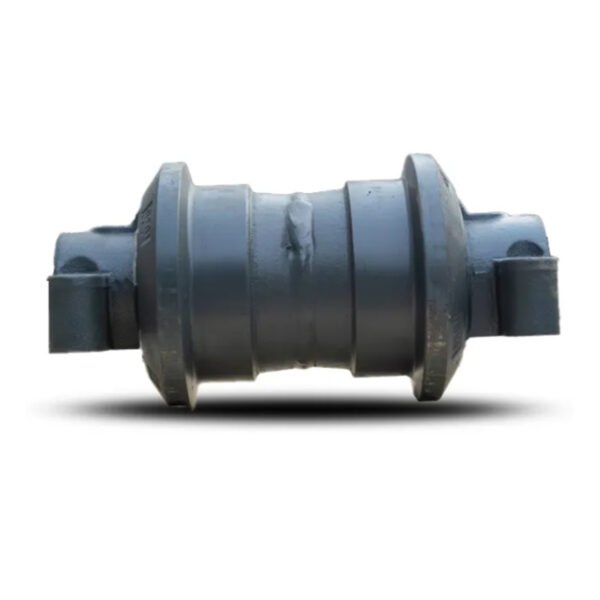
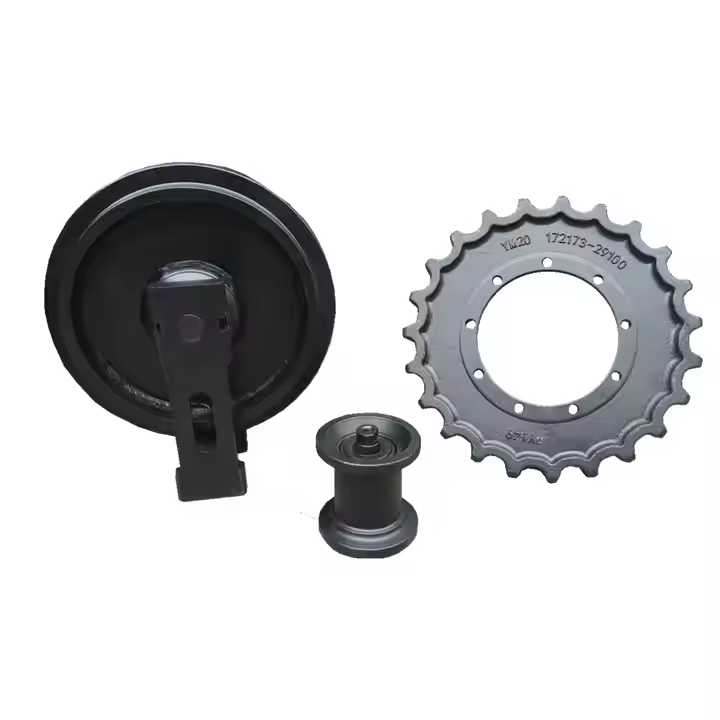
Begin your inspection at the ground level by carefully checking the tracks and undercarriage. For rubber tracks, look for deep cuts, exposed steel cords, or severe dry rot. For steel tracks, inspect the track shoes, links, pins, and bushings for excessive wear, razor-thin edges, or uneven pitch. Replacing an entire undercarriage can easily cost upwards of ten thousand dollars, so factor any needed repairs directly into your offer price.
Next, shift your attention to the structural frame, boom, stick, and bucket. Inspect every weld seam for hairline cracks, rust scaling, or recent patch jobs that might indicate structural stress or past rollover damage. Check the connection points where the boom meets the house and where the stick connects to the bucket. Excess wobble, loose pins, or worn bushings mean the machine was worked hard without adequate grease, which will lead to sloppy digging accuracy and expensive repairs down the road.
Step 3: Hydraulic System, Engine, and Undercarriage Diagnostics
The hydraulic system and engine are the heart and lungs of any excavator. Problems here are often the most expensive to rectify, so take your time during this critical phase.
Pop open the engine bay and check for active fluid leaks, frayed fan belts, or corroded wiring harnesses. Pull the engine oil dipstick and coolant reservoir caps to inspect fluid conditions. Milky oil suggests a blown head gasket, while rust particles or oil slicks in the coolant indicate internal engine contamination.
Move on to the hydraulic pumps, valves, and cylinders. Check every hydraulic ram for deep scratches, pitting, or fluid weeping around the seals. Start the engine and let it warm up to operational temperature. Look closely at the hydraulic fluid reservoir sight glass—milky or foaming fluid points to water contamination or air entering the lines, both of which shorten pump life significantly. Listen carefully for excessive whining, knocking, or straining noises coming from the main hydraulic pump when operating the controls.
Step 4: Operational Testing and Cabin Ergonomics
Never buy an excavator without running it through a full operational test under load. Static inspections only reveal half of the picture.
Step inside the cab and check the operator environment. Test every control button, display gauge, air conditioner, and safety lockout lever. Clear warning lights on the dashboard before starting your movements.
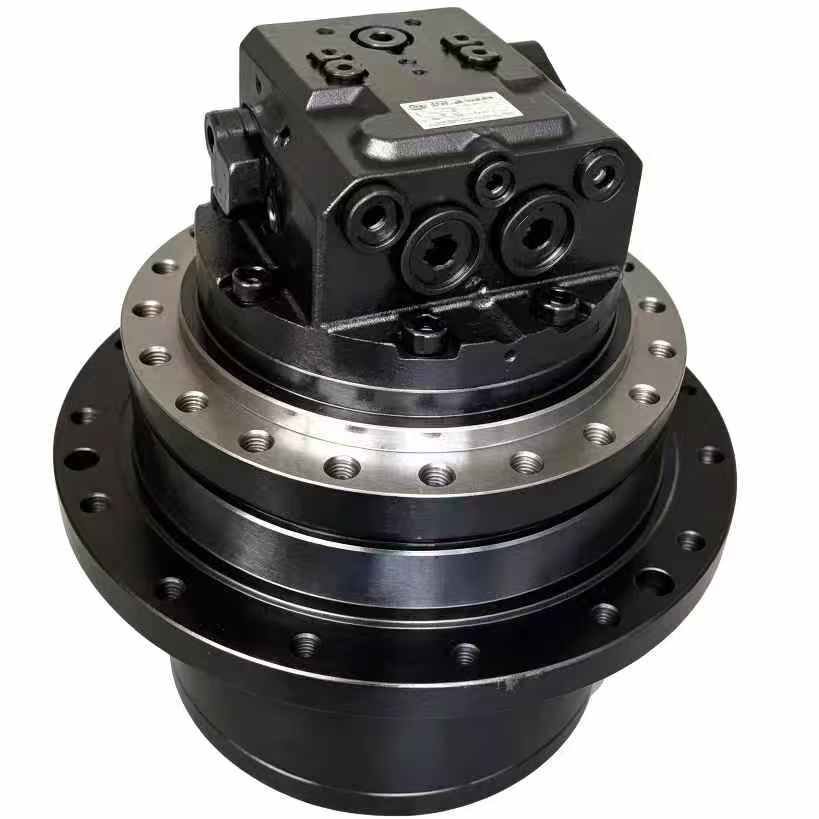
Once ready, lift the machine off the ground using the boom and blade/bucket to check for swing play and track drive power. Rotate the house 360 degrees in both directions, listening for grinding or hitching sounds from the swing gear slew ring. Drive the excavator forward and reverse at varying speeds to verify that both final drives track straight without pulling to one side. Execute full articulation movements with the boom, stick, and bucket simultaneously to test hydraulic responsiveness, speed, and smoothness. If the controls feel sluggish, erratic, or drop under heavy load, the hydraulic pump or main control valve may be near failure.
Step 5: Partnering with Trusted Equipment Suppliers
While performing your own inspection is crucial, where you source your second-hand equipment plays an equally vital role in ensuring a smooth purchasing experience. Buying blindly from private sellers or unverified auctions often leaves you with zero recourse if an issue arises after delivery.
When sourcing reliable pre-owned excavators, working with an established machinery partner provides unparalleled peace of mind. Industry leaders like THBSMN specialize in providing thoroughly tested, high-quality second-hand machinery tailored to your exact operational needs. By conducting rigorous multi-point technical inspections, verifying machine histories, and offering professional guidance throughout the purchasing process, THBSMN helps contractors and equipment owners secure dependable machines without the stress of hidden defects. Partnering with a reputable vendor ensures that your hard-earned capital goes into equipment that arrives job-site ready on day one.